
NSDC creates working group to speed identification of fallen defenders
This digest was compiled by AI from multiple sources — links to the originals are below.
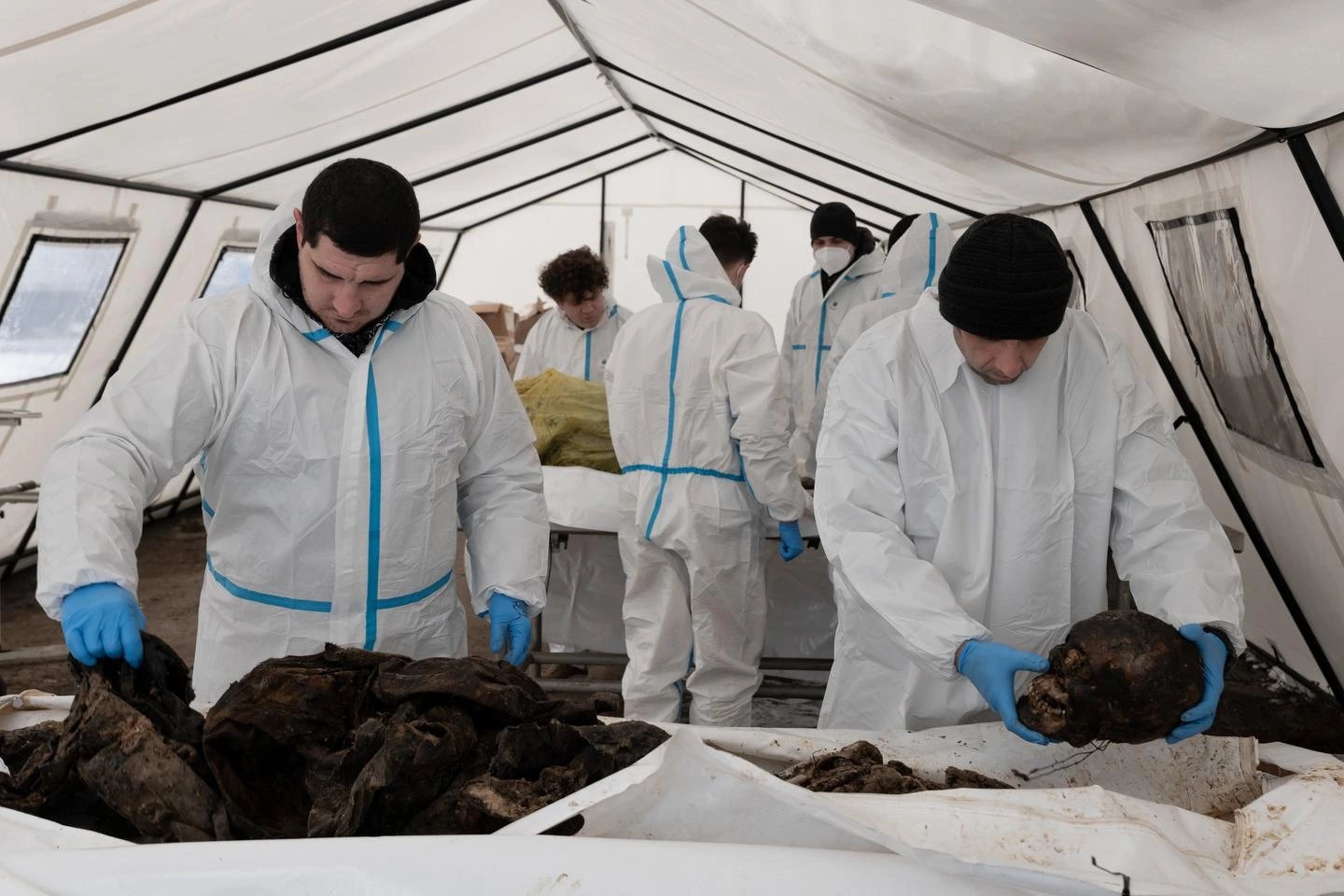
Ukraine's National Security and Defense Council (NSDC) will establish a working group to coordinate and expedite the identification of fallen defenders' bodies. NSDC Secretary Ihor Klymenko announced the move, citing the need to reduce delays and strengthen forensic medical examination capacity. The group will bring together relevant government agencies and oversee the identification process.
Key Facts
- Ukraine has repatriated more than 26,000 bodies and remains of fallen soldiers, but a significant portion remain unidentified.
- On September 17, the remains of 252 people killed were returned to Ukraine following repatriation efforts.
- The working group will be overseen by the National Security and Defense Council and will include representatives of all relevant government agencies.
- Planned measures include increasing the number of forensic specialists and establishing specialized forensic examination bureaus in the regions.
- Ukrainian Prime Minister Serhiy Koretskyi has instructed officials to eliminate unnecessary delays in the identification of repatriated military personnel and civilians.
Working Group Mandate
The working group will coordinate the work of government agencies and oversee the process of identifying fallen servicemembers. It will bring together representatives of all government agencies involved in the identification process. The National Security and Defense Council will pay special attention to identifying delays in the identification of bodies and determining who is responsible for resolving them. Ihor Klymenko emphasized that for the families of the missing, the main outcome should be concrete answers, not explanations for the delays.
Forensic System Strengthening
The government must strengthen the forensic medical examination system by increasing the number of specialists and ensuring appropriate working conditions. Specialized forensic medical examination offices will be established in the regions to focus specifically on identifying the bodies of fallen servicemen. This should make the process more specialized and reduce the time needed to identify the deceased.
2 sources
Time · lag behind first