
Netherlands Confirms The Hague as Seat of Ukraine Aggression Tribunal
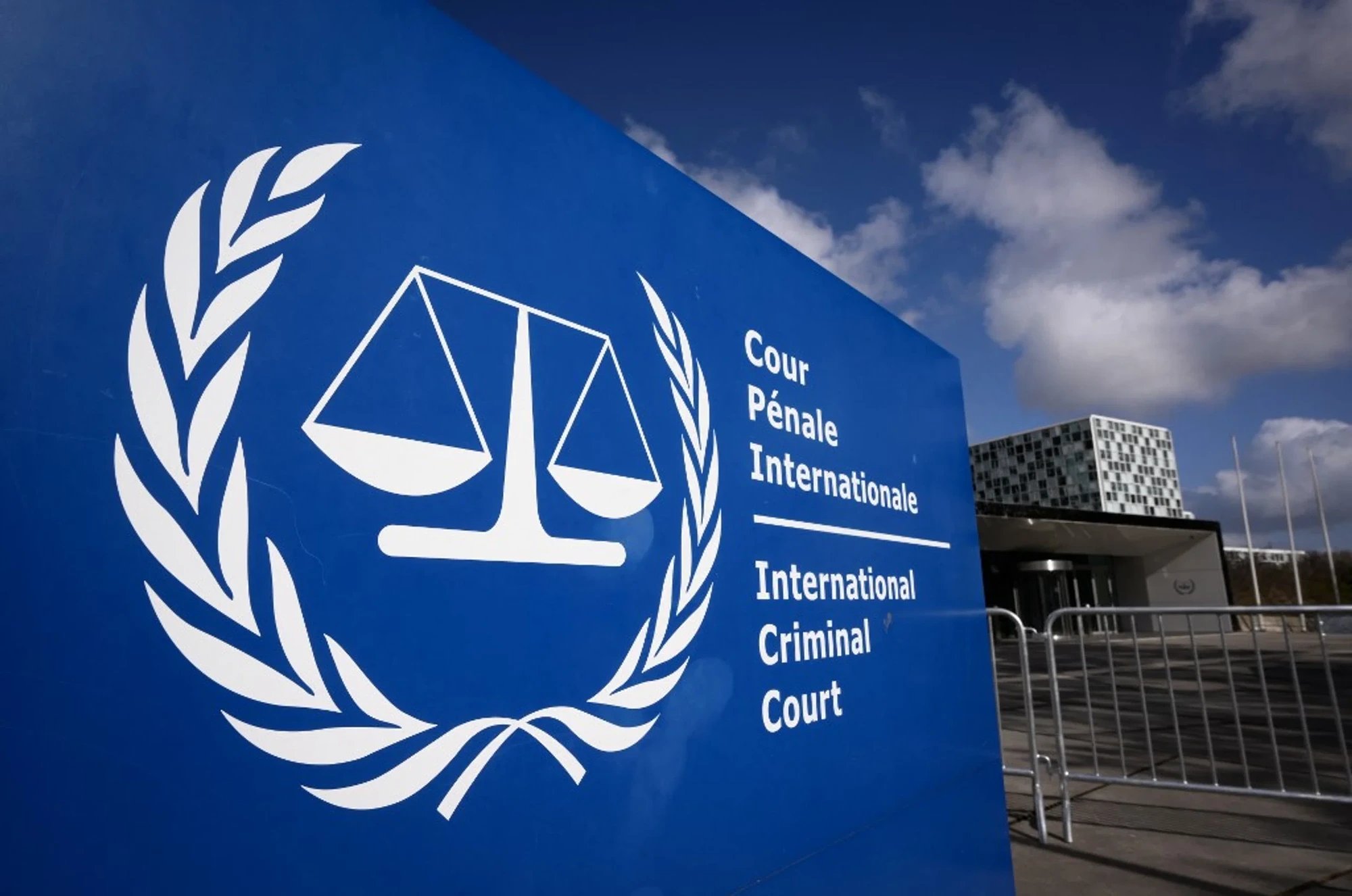
This digest was compiled by AI from multiple sources — links to the originals are below.
The Netherlands has confirmed The Hague as the seat of the Special Tribunal for the Crime of Aggression against Ukraine. Ukraine's Permanent Representative to the Council of Europe, Mykola Tochytskyi, said the tribunal's budget is expected by late October or early November. The tribunal has not yet received any funding.
Key Facts
- The Special Tribunal for the Crime of Aggression against Ukraine will operate in The Hague, as confirmed by the Netherlands.
- The tribunal's budget is expected to be ready by the end of October or the beginning of November, according to Mykola Tochytskyi.
- The tribunal had not received any funding at the time of Tochytskyi's comments.
- The Committee of Ministers appointed Estonia's ambassador as the new chair of the tribunal's working group after the former head became a deputy secretary general of the Council of Europe.
- The first meeting of the working group under the new chair was planned for late October or early November.
Tribunal Location and Budget
The Netherlands has confirmed that the Special Tribunal for the Crime of Aggression against Ukraine will operate in The Hague. Mykola Tochytskyi, Ukraine's Permanent Representative to the Council of Europe, outlined preparations for the tribunal's launch. One of the key tasks is to consolidate three proposed budget scenarios into a single realistic plan. The budget must account for the costs of fitting out the premises and holding convicted persons. Tochytskyi said the budget was expected to be ready by the end of October or the beginning of November, allowing preparations to move to the main stage.
Working Group and Procedures
After the former head of the working group became a deputy secretary general of the Council of Europe, the Committee of Ministers appointed Estonia's ambassador as the group's new chair. The first meeting under her leadership was planned for late October or early November. Work on the Special Tribunal's model was underway, with case categories and procedures discussed in Venice. The preparatory team was defining the structure of the working bodies, the procedures for interviews and interrogations, and the composition of the tribunal. These steps are intended to lay the groundwork for further preparations for the institution.
1 source
Time · lag behind first