
Bangsamoro parliamentary vote tests peace process and MILF unity
This digest was compiled by AI from multiple sources — links to the originals are below.
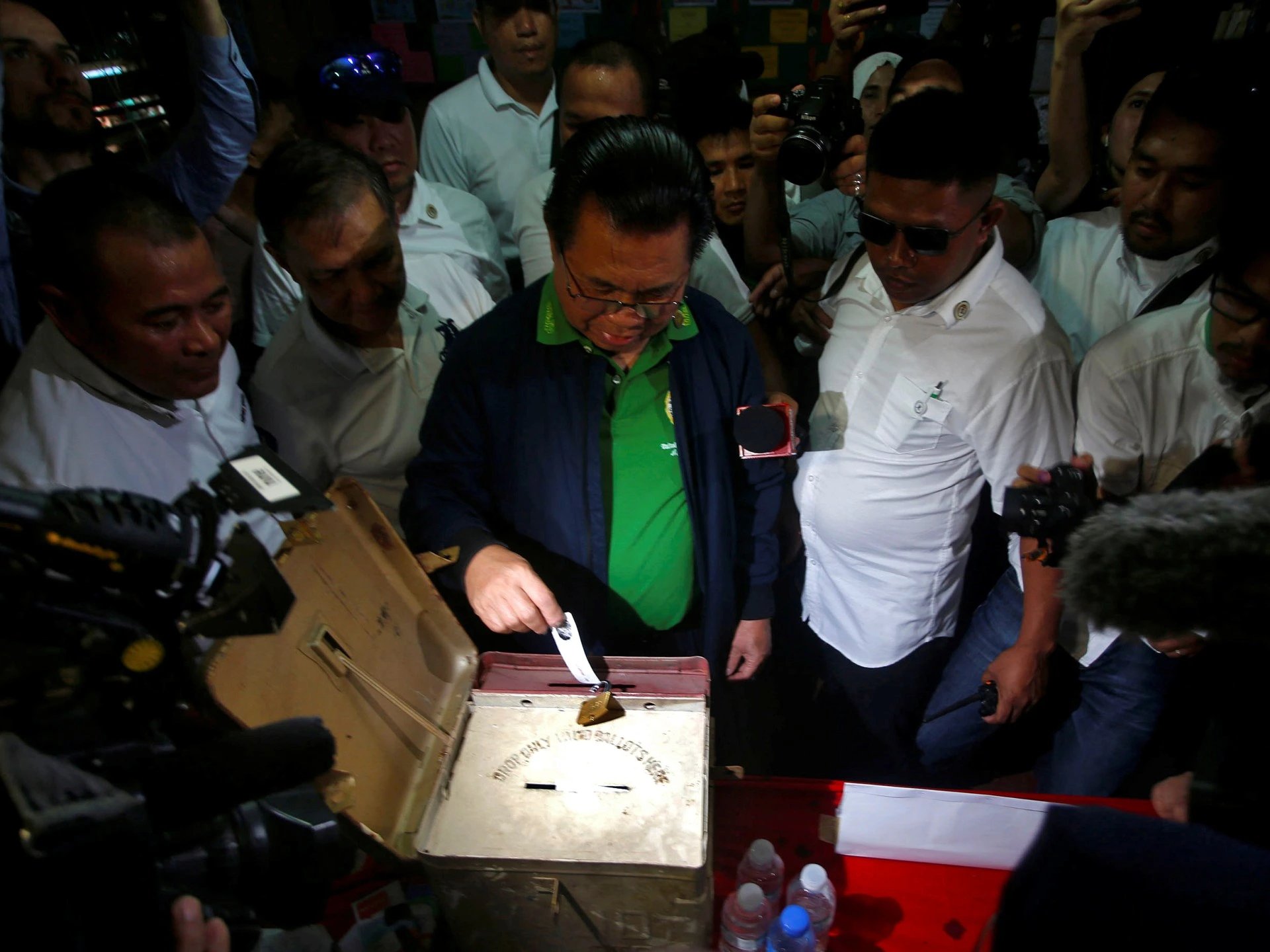
The Bangsamoro Autonomous Region in Muslim Mindanao will hold its first parliamentary election on Monday, ending the transition period that began in 2018. The vote will determine the makeup of the region's first legislative body and test the Philippine government's commitment to the peace process. The election comes amid internal divisions within the Moro Islamic Liberation Front, with two rival camps competing for power.
Key Facts
- The election on Monday will be the first parliamentary vote in BARMM since its establishment in 2018.
- The vote will officially end the transition period under the Bangsamoro Transition Authority, appointed in 2019.
- Chief Minister Abdulraof Macacua joined the Bangsamoro Federalist Party last month, which will compete against the MILF's United Bangsamoro Justice Party.
- In early September, Macacua and 40 commanders were dismissed from the MILF's military wing for alleged insubordination.
Election Significance
The election is a significant milestone in the Bangsamoro struggle, the outcome of decades of armed conflict and negotiations between the Moro Islamic Liberation Front and the government of the Philippines. The vote will test the Philippine government's commitment to the peace process and the MILF's commitment to the democratic process. BARMM is located on Mindanao, the second-largest island in the Philippine Archipelago, and covers roughly the territories inhabited by the Moro people, a native Muslim-majority group.
Historical Context
For centuries, the Moro enjoyed self-governance in independent states and resisted Spanish colonialism. Following the Philippines' independence in 1946, they continued their struggle for self-determination. In 1989, the Autonomous Region in Muslim Mindanao was created by Manila to give some devolved rights to the Moro, but it largely failed to address local grievances and demands due to its weak structural power. In 2012, President Benigno Aquino III recognised the ARMM as a 'failed experiment', and under his administration, the Framework Agreement on the Bangsamoro was signed between the government and the MILF. Six years later, under President Rodrigo Roa Duterte, the Organic Law for the Bangsamoro Autonomous Region in Muslim Mindanao was promulgated, granting the region greater fiscal autonomy, a regional government, a parliament, and a justice system.
Internal Divisions
The vote comes at a time of heightened tensions in BARMM and internal divisions within the MILF. Two camps have emerged within the movement – one loyal to MILF Chair Al Haj Murad Ebrahim and another supporting Chief Minister Abdulraof Macacua. Last month, Macacua joined the newly formed Bangsamoro Federalist Party, which will compete in the elections against the MILF's political wing, the United Bangsamoro Justice Party. Shortly after, his convoy was attacked, but he survived unscathed. In early September, Macacua and 40 commanders were dismissed from the MILF's military wing for alleged insubordination.
1 source
Time · lag behind first