
Uzbekistan cuts poverty rate to 3.9% as household outreach expands in Syrdarya
This digest was compiled by AI from multiple sources — links to the originals are below.
Uzbekistan's poverty rate fell to 3.9% from 5.8% at the start of the year, President Shavkat Mirziyoyev announced at a September 3 videoconference. The number of people in need dropped from 2.2 million to 1.5 million. Local officials in Saykhunabad district began household-by-household surveys to extend the model to families on the poverty register.
Key Facts
- Poverty in Uzbekistan fell to 3.9% from 5.8% at the start of the year, according to figures presented at the September 3 videoconference chaired by President Shavkat Mirziyoyev.
- The number of people in need decreased from 2.2 million to 1.5 million.
- In Saykhunabad district, Syrdarya region, 753 of 15,502 households are on the poverty register.
- The Yangi Hayat mahalla has 687 households, 48 of which are on the poverty register.
- The Saykhunabad experience, launched in March 2024, promotes household plots, poultry and livestock farming to raise incomes.
Poverty Reduction Results
President Shavkat Mirziyoyev chaired a videoconference on September 3 to review poverty reduction and income growth. The poverty rate fell to 3.9% from 5.8% at the beginning of the year. The number of people in need dropped from 2.2 million to 1.5 million. Officials noted that results vary by region and that work with poor families must be intensified in some mahallas.
Saykhunabad Household Surveys
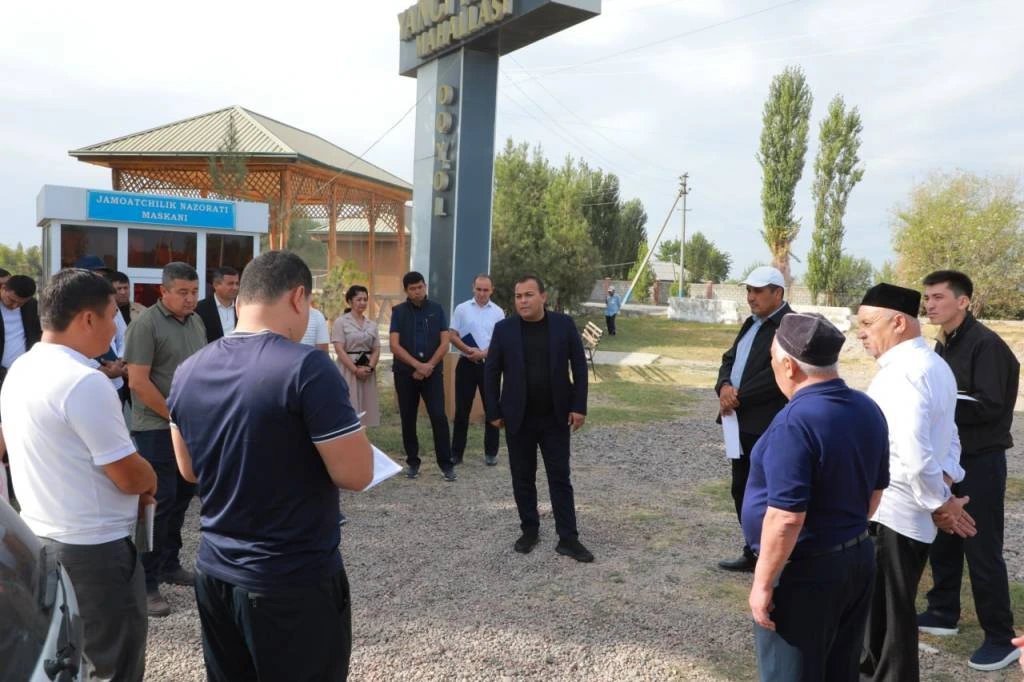
Saykhunabad district hokim Komiljon Mullajanov led officials in household-by-household surveys. The district has 18 mahallas with 85,700 residents and 15,502 households. Of those households, 753 are on the poverty register. In Yangi Hayat mahalla, 48 of 687 households are on the poverty register. Officials assessed living conditions, employment status and work opportunities for each family.
Saykhunabad Experience Expansion
The Saykhunabad experience was launched in March 2024 on the initiative of the head of state. It focuses on raising incomes through household plots, poultry and livestock farming. Residents of Yangi Hayat mahalla are selling produce at markets and earning additional income. Extending this model to households on the poverty register is now a key task.
2 sources
Time · lag behind first