US-Iran Ceasefire Strains as Hundreds of Ships Stuck in Hormuz
This digest was compiled by AI from multiple sources — links to the originals are below.
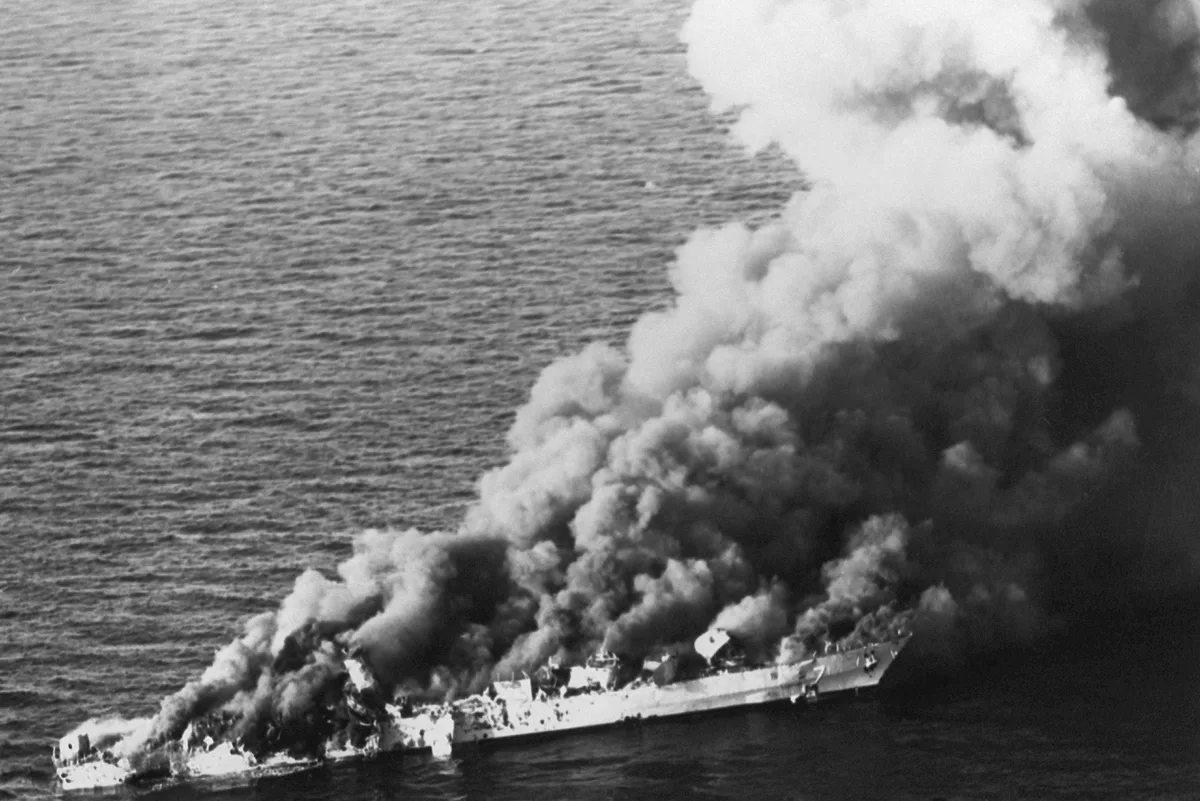
A fragile ceasefire between the US and Iran leaves hundreds of ships stranded in the Strait of Hormuz. Only a few vessels carrying oil and gas are passing through. Former sailors see parallels with the 1980s Iran-Iraq War.
Stranded Vessels in Hormuz
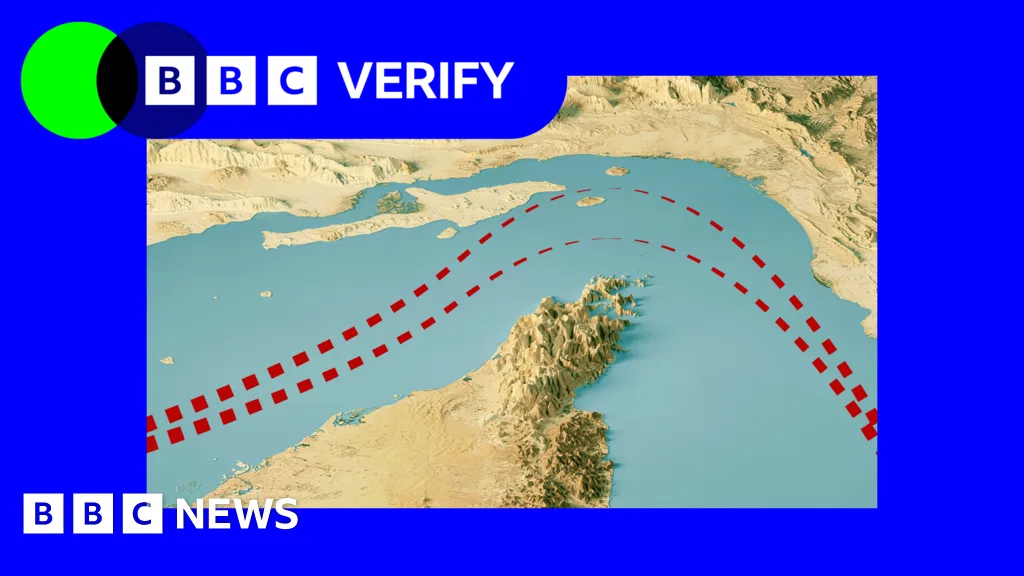
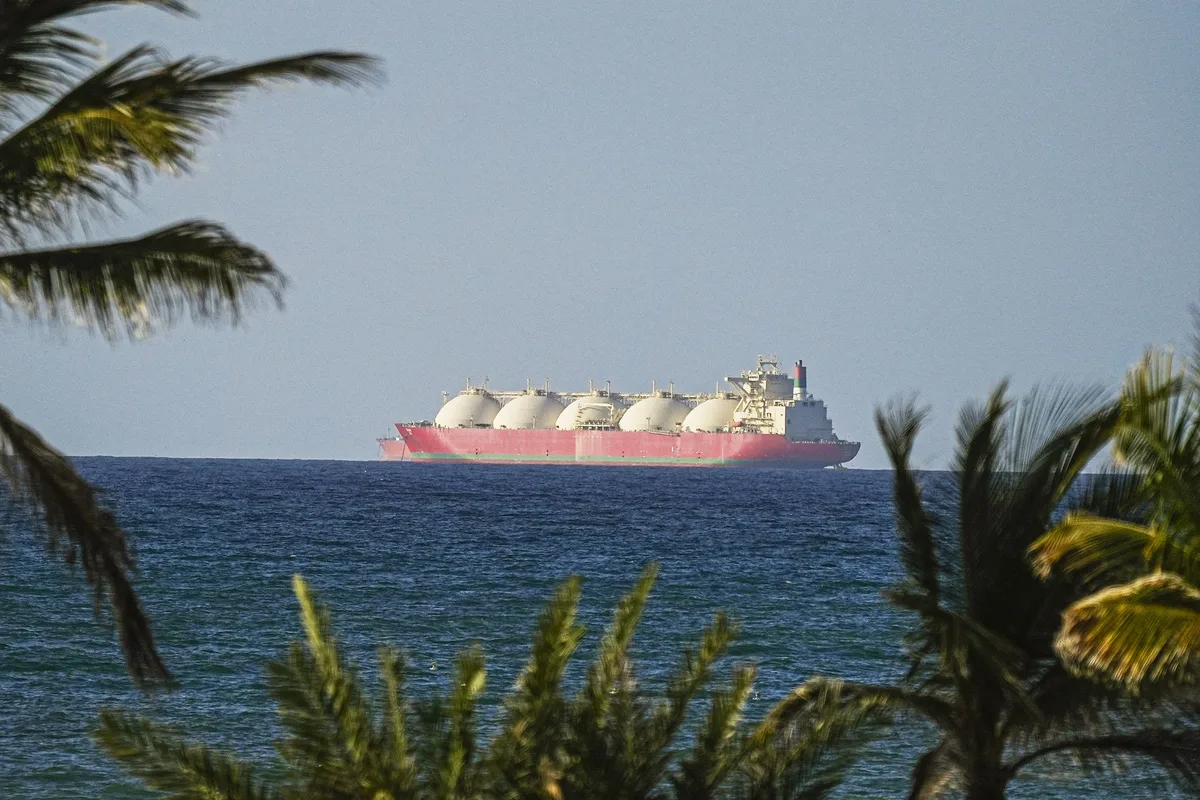
Hundreds of ships remain stuck in the Persian Gulf due to a fragile ceasefire between the US and Iran. Only a few vessels carrying oil and gas manage to navigate the Strait of Hormuz. The situation has caused significant delays in global oil and gas transportation, affecting international markets.
Historical Parallels
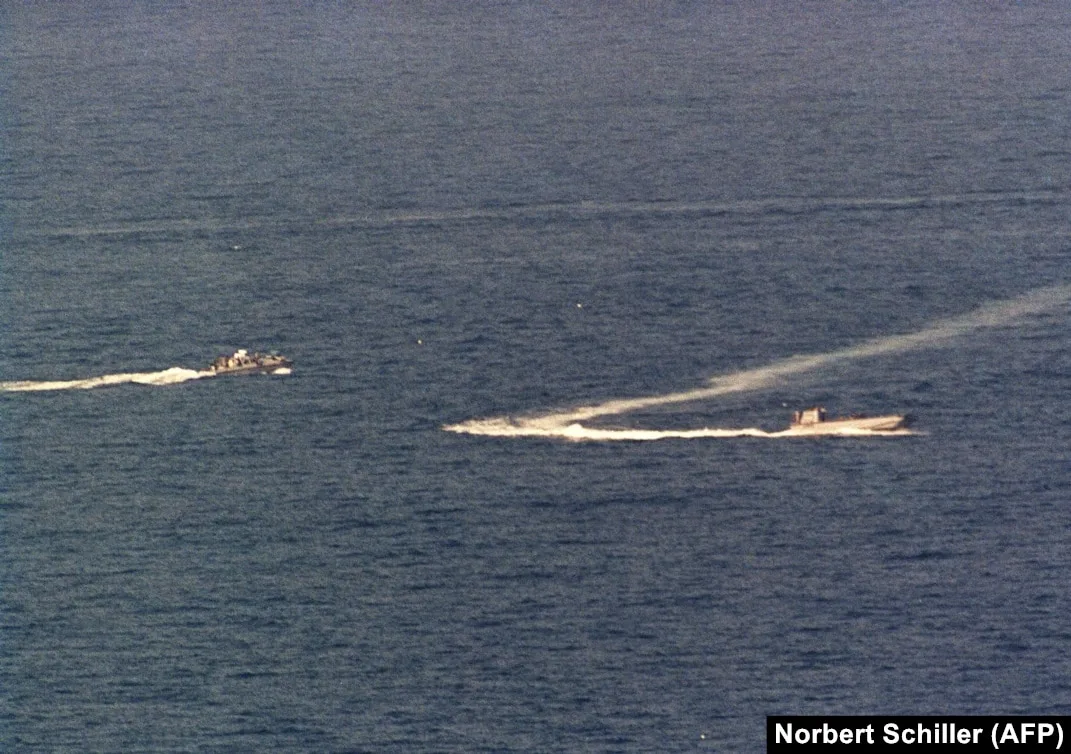
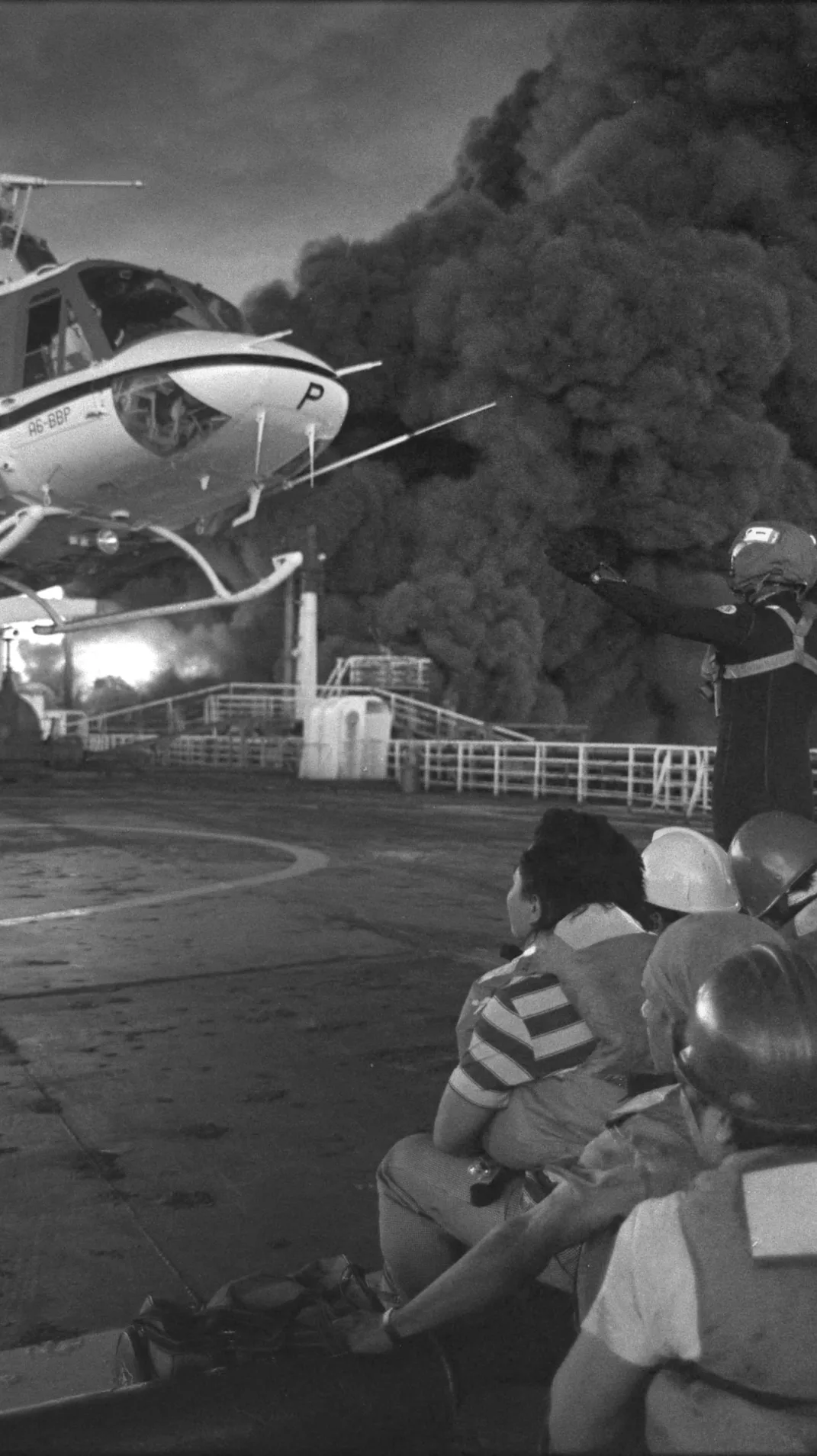
Veterans from the 1980s Iran-Iraq War see similarities between the current crisis and past conflicts. During the 'Tanker War', shipping routes were heavily disrupted by military actions. The current tensions echo those times, as geopolitical instability once again threatens maritime trade.
Lebanon Fighting Threatens Ceasefire
Ongoing combat in Lebanon, including Israeli attacks and soldier casualties, risks undermining the US-Iran ceasefire. The violence follows President Trump's warning to respect the peace deal.
Ceasefire Collapse and Military Strikes
The ceasefire between the United States and Iran has officially collapsed, with both sides exchanging military strikes across the Middle East. Former White House National Security Council official Richard Goldberg provided analysis on the situation.
What's Next
The UN Security Council is set to discuss the situation next week. It remains unclear whether diplomatic efforts will ease the maritime bottleneck.
3 sources
US-Iran Ceasefire Strains as Hundreds of Ships Stuck in Hormuz