
Dodik calls Bosnia 'dead' ahead of October 4 elections
This digest was compiled by AI from multiple sources — links to the originals are below.
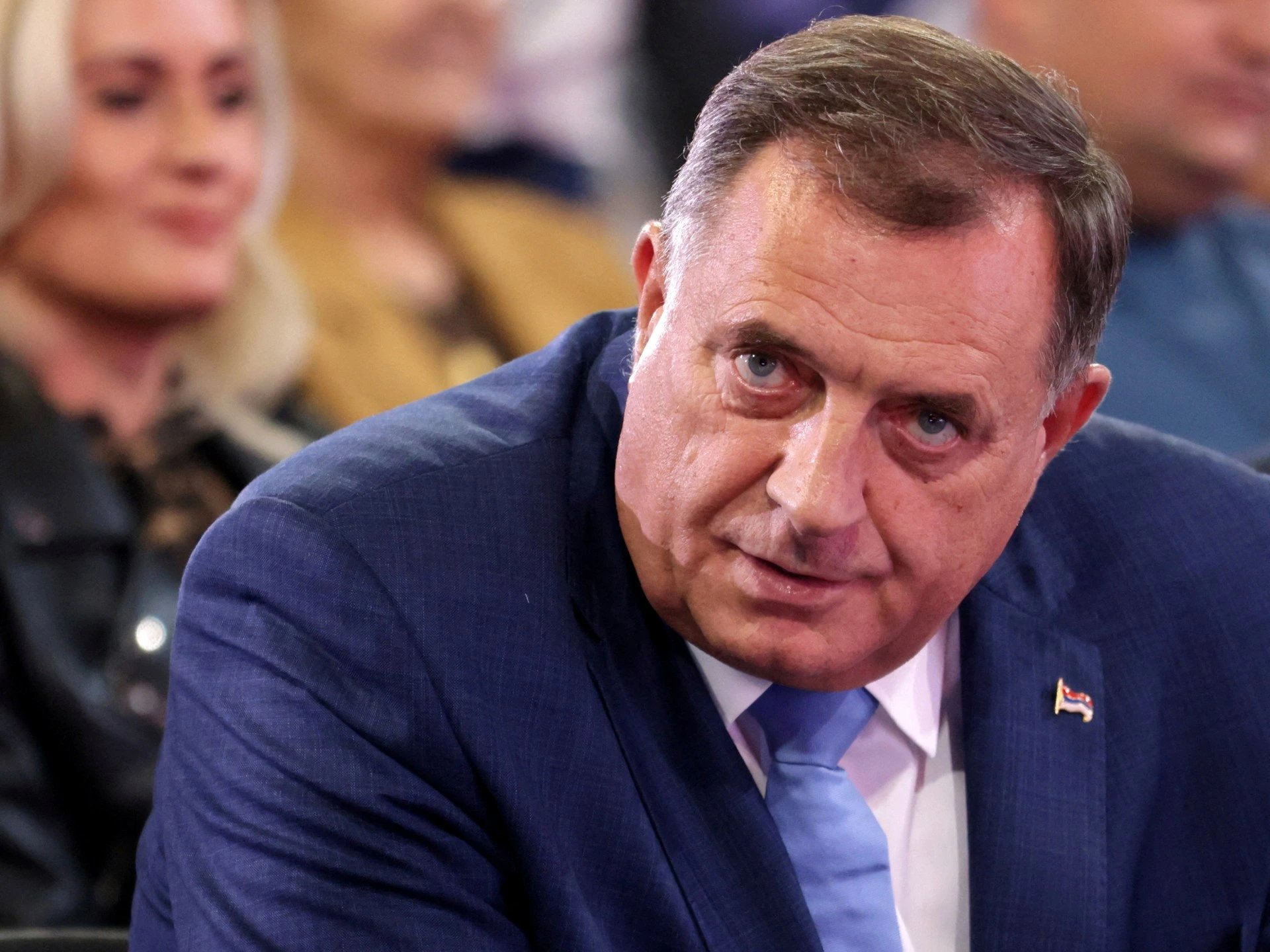
Bosnian Serb leader Milorad Dodik declared Bosnia and Herzegovina 'dead' and 'an impossible country' at his party's final rally in Banja Luka on Friday. His remarks came two days before voters elect the three-member presidency, national parliament, and entity leaders on October 4. Analysts dismissed the statement as populist rhetoric with no political relevance.
Key Facts
- Dodik made the remarks at the final rally of his Alliance of Independent Social Democrats (SNSD) in Banja Luka on Friday, two days before the October 4 election.
- Dodik is not on the ballot after being stripped of his post last year following his conviction for refusing to carry out decisions by international peace envoy Christian Schmidt.
- Political analyst Tanja Topic said Dodik remained a central campaign figure and sought to present himself as a 'senior official in international relations'.
- Professor Elvis Fejzic of the Faculty of Political Science in Sarajevo said Bosnia and Herzegovina's status as a UN member and internationally recognised state is secure.
Dodik's Rally Statement
Milorad Dodik told supporters of the Alliance of Independent Social Democrats (SNSD) in Banja Luka on Friday that 'Bosnia-Herzegovina is dead' and 'an impossible country'. He described the state as 'nothing more than an empty shell' for those trying to keep it alive. Dodik is the former president of Republika Srpska and is known for frequent separatist threats and challenges to the country's constitution.
Election Context
On Sunday, voters across Bosnia and Herzegovina cast ballots to elect the three members of the multiethnic presidency, representatives to the national parliament, and leaders of institutions in the country's two entities. Dodik himself is not on the ballot after being stripped of his post last year following his conviction for refusing to carry out decisions issued by Christian Schmidt, the international peace envoy overseeing the Dayton peace agreement. The 1995 Dayton peace agreement split the country into the Serb-majority Republika Srpska entity and the Federation entity, where most Bosniaks and Croats live.
Analyst Reactions
Elvis Fejzic, a professor at the Faculty of Political Science in Sarajevo, said attempts by figures such as Dodik to dismantle Bosnia and Herzegovina amount to 'populist rhetoric'. Fejzic argued that Bosnia and Herzegovina's status as a UN member and internationally recognised state is secure, and that the country 'will outlive all those who, through inflammatory statements, seek to obstruct its path towards integration and development'. Political analyst Tanja Topic said that while Dodik was not officially a candidate, he remained a central figure in the campaign and sought to present himself as a 'senior official in international relations'.
1 source
Time · lag behind first