
Russia's Digital Ministry unveils third anti-fraud package with SIM card and data consent rules
This digest was compiled by AI from multiple sources — links to the originals are below.
Russia's Ministry of Digital Development has published a third package of anti-fraud measures for public discussion. The draft law introduces a unified consent platform on Gosuslugi, a database of fraud scheme participants, and stricter SIM card distribution rules. The public discussion runs until October 15, 2026.
Key Facts
- The draft law will be open for public discussion until October 15, 2026.
- A unified consent platform on Gosuslugi will let users view, revoke, and report violations related to personal data processing consents.
- Only legal entities with direct agency agreements with telecom operators will be allowed to distribute SIM cards.
- The sale of prepaid and pre-activated SIM cards will be banned, and operators will issue cards only with zero balance.
- SMS mass messaging services will be provided exclusively by telecom operators, cutting out aggregators.
Consent Platform
The Ministry of Digital Development plans to create a unified consent platform on Gosuslugi. Users will be able to view all previously granted consents for personal data processing, including those given offline. The platform will allow users to see who processes their data and for what purposes, revoke consents, and report violations to authorized bodies.
SIM Card Restrictions
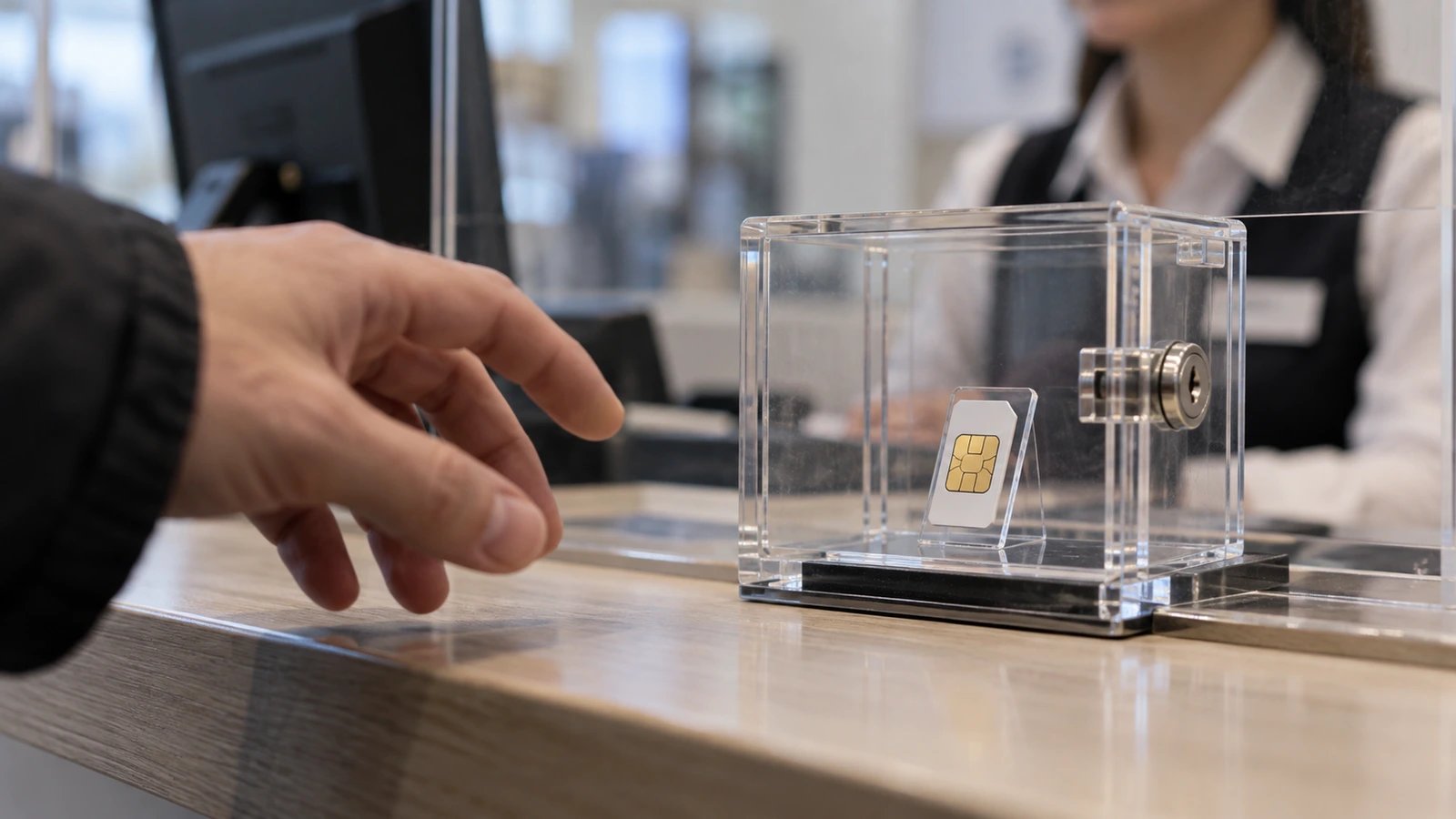
Only legal entities that are direct dealers of telecom operators with agency agreements will be permitted to distribute SIM cards. Individuals and individual entrepreneurs will no longer be able to sign contracts with subscribers on behalf of operators. The sale of prepaid and pre-activated SIM cards will be prohibited, and operators will issue cards only with zero balance. SIM cards already registered to other persons cannot be sold, preventing the online sale of numbers registered to other individuals, legal entities, or individual entrepreneurs.
Fraud Database and Messaging
A database of individuals who provide their subscriber numbers and account credentials to fraudsters will be created within the Antifraud GIS. This database is intended to simplify the detection and blocking of fraudulent schemes. Only telecom operators will be allowed to provide SMS mass messaging services, replacing aggregators whose activities the ministry considers insufficiently regulated. Special rules for communication services using M2M devices will be established to limit the use of equipment SIM cards for illegal mass calls and messages.
8 sources
Time · lag behind first