
US Treasury Secretary claims Iran has two weeks of oil trade left
This digest was compiled by AI from multiple sources — links to the originals are below.
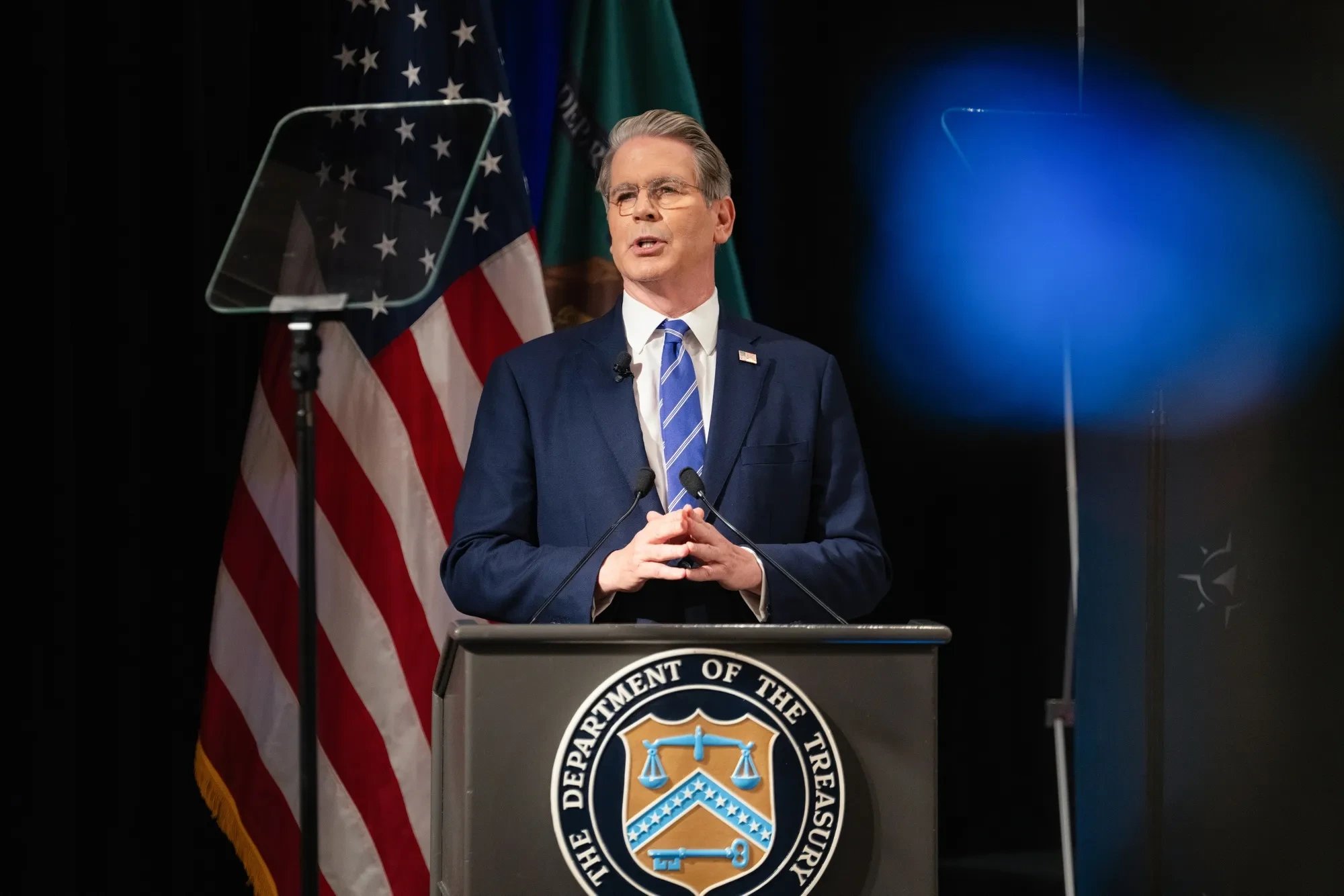
US Treasury Secretary Scott Bessent claimed Iran has about 15 million barrels of oil in transit, mostly to China, and that Tehran's foreign trade capacity will shrink sharply once those deliveries complete. He said this could happen within about two weeks. Bessent argued Iran is seeking a renewed deal under economic pressure from Washington's Operation Economic Outcast.
Key Facts
- US Treasury Secretary Scott Bessent claimed Iran has about 15 million barrels of oil in transit, mostly destined for China.
- Bessent said Iran's foreign trade capacity will shrink sharply within about two weeks after the oil is delivered.
- Bessent stated the Strait of Hormuz is effectively open, with 15–22 million barrels of oil passing daily.
- Independent ship-tracking data from Vortexa reported by Reuters on September 21 showed Hormuz oil flows averaged about 2.9 million barrels per day in September.
- President Donald Trump rejected Iran's latest offer on September 26 but said on September 27 he expected new talks to continue this week.
Bessent's Claims
US Treasury Secretary Scott Bessent told Fox News that Iran has about 15 million barrels of oil in transit, mostly to China. He said once those deliveries are completed, Iran's foreign trade capacity will shrink sharply, possibly within two weeks. Bessent argued Iran is seeking a renewed agreement because of economic pressure from Washington's Operation Economic Outcast, launched last month. He claimed the Strait of Hormuz is effectively open, with 15–22 million barrels of oil passing daily.
Operation Economic Outcast
The US Treasury announced Operation Economic Outcast on August 24, aiming to cut Iran's global economic connections as much as possible. The campaign targets Iran's finance, oil, transport, and foreign trade links, including third-country companies and financial institutions involved in Iranian oil trade. Reuters reported in August that the US blockade reduced the amount of Iranian oil offered to Chinese buyers and increased Iranian oil prices.
Diplomatic Context
Bessent's remarks came amid ongoing indirect diplomacy between Washington and Tehran. Iran offered to reopen the Strait of Hormuz within a week and return to nuclear negotiations if the US lifted its naval blockade, eased oil sanctions, and restored a regional ceasefire. President Donald Trump rejected Iran's latest offer on September 26 but said on September 27 he expected new talks to continue this week. Independent ship-tracking data from Vortexa reported by Reuters on September 21 showed Hormuz oil flows averaged about 2.9 million barrels per day in September, contradicting Bessent's 15–22 million barrel claim.
2 sources
Time · lag behind first