
Putin signs decree restricting public data on Russian refinery output and exports
This digest was compiled by AI from multiple sources — links to the originals are below.
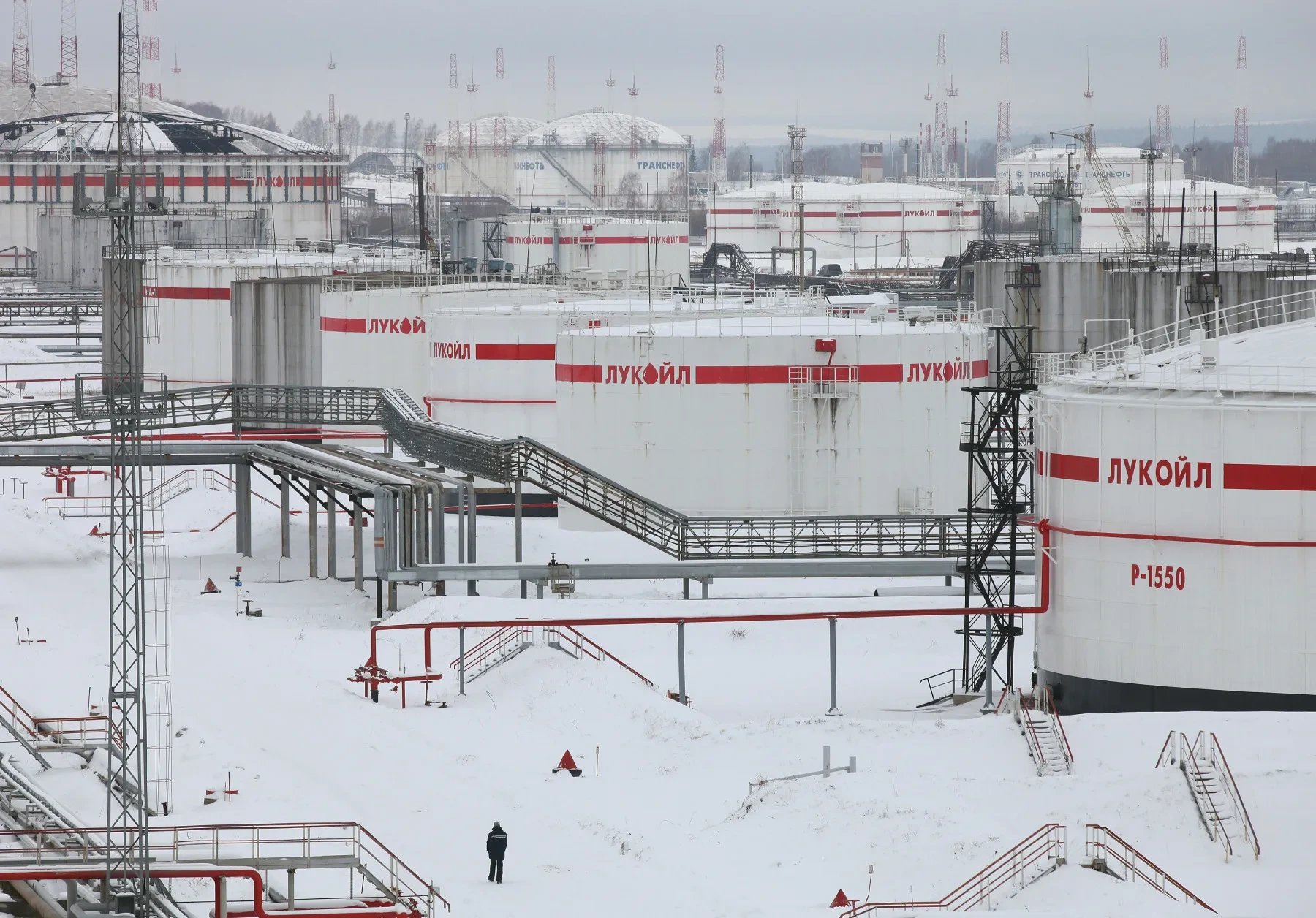
Russian President Vladimir Putin signed a decree on Monday restricting public reporting of refinery production, export contracts, and tanker routes. The restrictions took effect immediately, with the government given 10 days to define covered product codes. The move follows Ukrainian drone strikes that cut Russian refinery throughput to 3.8 million barrels per day by June, down 30% from a year earlier.
Key Facts
- The decree bans publication of refining volumes, contract details, prices, buyers, sellers, payment terms, shipping routes, and vessel coordinates through mass media or internet networks.
- Ukrainian drones hit a Russian refinery every three days on average through the first eight months of 2026.
- IEA figures put national refinery throughput at 3.8 million barrels per day by June 2026, down 30% from a year earlier and the lowest in over two decades.
- Gasoline output is down roughly 20% and diesel nearly 30%, with fuel shortages reported across 92% of Russian regions.
- Deputy Prime Minister Alexander Novak said this month that fuel supply had improved on additional refinery deliveries, while Putin put the share of refineries still needing repairs at around 10%.
Decree Scope
The decree signed by Putin on Monday makes refinery production figures, export contracts, and tanker routes off-limits to public reporting in Russia. It covers data on refining volumes, contract details including product names, quantities, prices, buyers, sellers, payment terms, shipping routes, and vessel coordinates at export terminals. Customs statistics and planned sales volumes on commodity exchanges fall under the same rule. The restrictions took effect on signing, with the government given 10 days to define exactly which product codes are covered.
Refinery Damage
Ukrainian drones have hit a Russian refinery every three days on average through the first eight months of 2026. IEA figures put national throughput at 3.8 million barrels a day by June, down 30% from a year earlier and the lowest level in over two decades. Gasoline output is down roughly 20% and diesel nearly 30%, with fuel shortages reported across 92% of Russian regions. Deputy Prime Minister Alexander Novak said this month that fuel supply had improved on additional refinery deliveries. Putin himself has put the share of refineries still needing repairs at around 10%.
1 source
Time · lag behind first