
Libya's energy crisis offers opportunity and risk amid Hormuz disruption
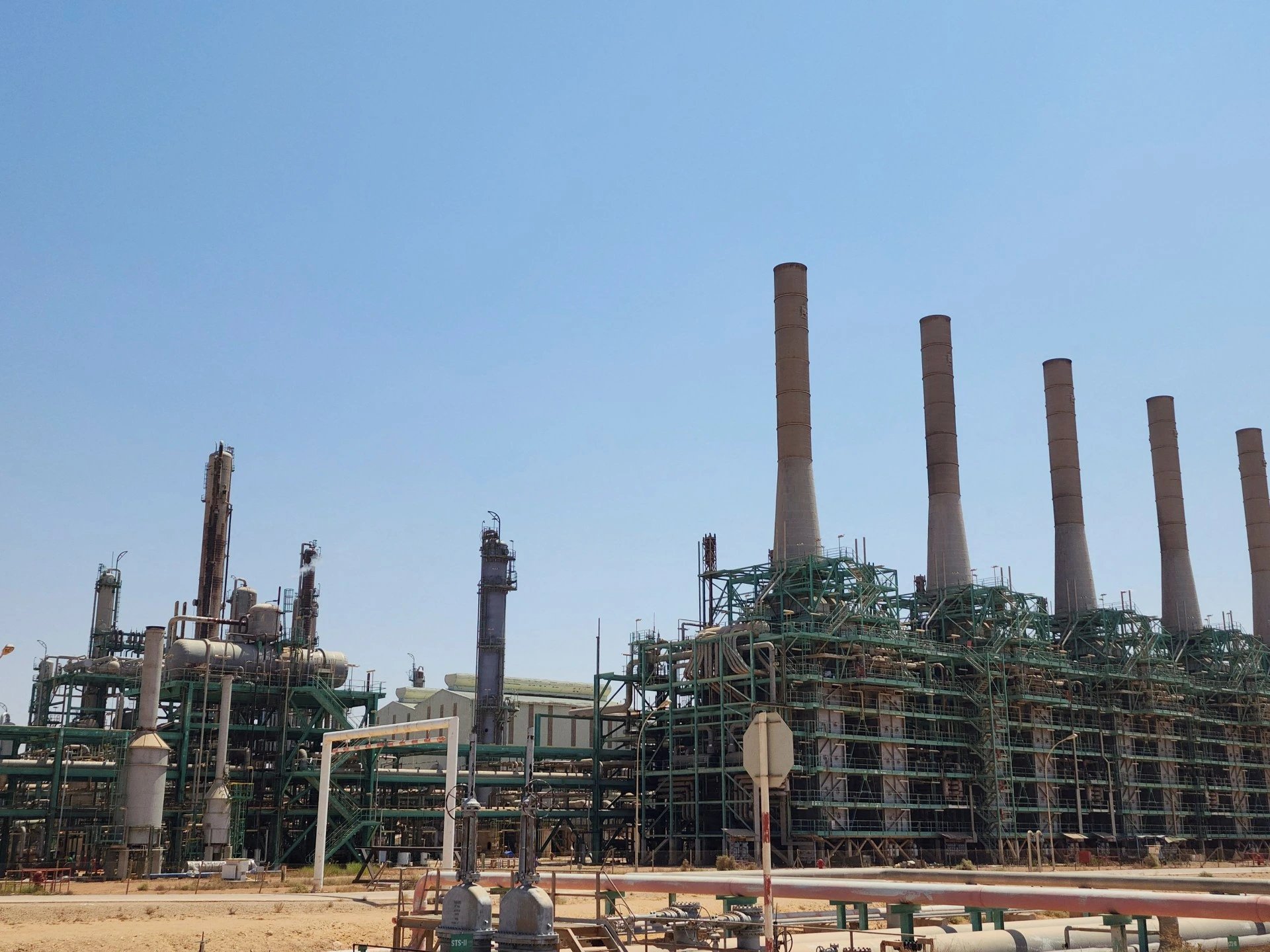
This digest was compiled by AI from multiple sources — links to the originals are below.
Libya holds Africa's largest proven oil reserves at 48 billion barrels and produces 1.5 million barrels per day, positioning it as a potential alternative supplier during the Hormuz crisis. The country's gas exports fell to 35 billion cubic feet in 2025, the lowest in 22 years, while it flares at least 200 billion cubic feet annually. The IMF estimates Libya's energy subsidy burden at $17 billion, about 35 percent of GDP.
Key Facts
- Libya holds 48 billion barrels of proven oil reserves, the largest in Africa, and produces 1.5 million barrels per day.
- Libyan gas exports fell from about 200 billion cubic feet in 2019 to 35 billion in 2025, the lowest in 22 years.
- Libya flares at least 200 billion cubic feet of gas annually due to underdeveloped infrastructure.
- The IMF estimates Libya's total energy subsidy burden at around $17 billion, equivalent to roughly 35 percent of GDP.
- More than 70 percent of Libyan gas production is consumed domestically, mostly for electricity generation.
Strategic Position
Libya's oil reaches international markets through the Mediterranean, while the Greenstream gas pipeline connects its Mellitah complex directly to Europe. Libya cannot replace the Gulf in terms of oil and gas exports, but it can become a major player in diversification efforts in Europe and elsewhere. Algeria is in an especially strong position as an established gas supplier, while Egypt can offer infrastructure, refining capacity and access through the Suez Canal.
Domestic Energy Insecurity
Libyans experience regular electricity blackouts due to an inefficient domestic energy system. Production has struggled to meet both domestic needs and export commitments. Much of the subsidy funds go into subsidising imported refined fuels, as domestic refining capacity is largely underdeveloped and cannot meet demand. The domestic energy situation is compounded by political fragmentation, institutional disputes and periodic disruptions to production due to conflict.
Opportunity or Trap
The global energy crisis triggered by the Iran war is a major opportunity for Libya to increase its revenues from hydrocarbons. Increasing exports without addressing domestic problems risks improving energy security abroad while neglecting it at home. That is a recipe for more instability in an already fragile nation.
1 source
Time · lag behind first