
Tirzepatide activates brown fat in mice, study finds
This digest was compiled by AI from multiple sources — links to the originals are below.
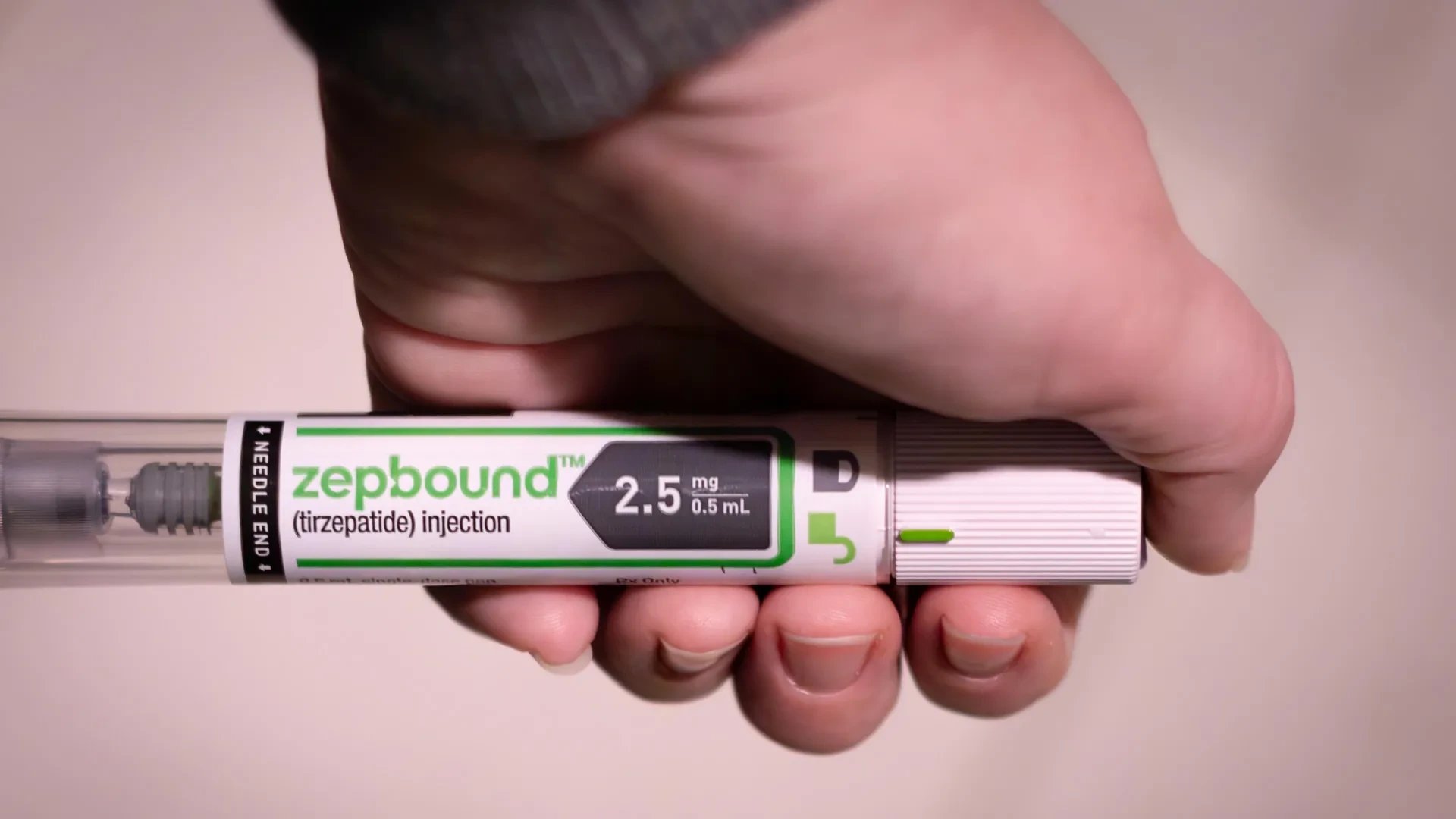
Tirzepatide, the active ingredient in Mounjaro and Zepbound, activates brown adipose tissue in obese mice, according to a University of Barcelona-led study. The activation increases calorie burning and production of beneficial batokines, independent of reduced food intake. The findings suggest the drug's metabolic benefits extend beyond appetite suppression.
Key Facts
- Tirzepatide activated brown adipose tissue in obese mice fed a high-fat diet, increasing energy burning and batokine production.
- The study was led by Marion Peyrou, Ramón y Cajal researcher at the University of Barcelona's Faculty of Biology and Institute of Biomedicine.
- Tirzepatide targets both GIP and GLP-1 receptors, a dual mechanism that reduces food intake and produces substantial weight loss.
- Researchers compared tirzepatide-treated mice with untreated mice given the same amount of food to isolate the drug's direct metabolic effects.
Brown Fat Activation
The analysis showed that tirzepatide activated brown adipose tissue in obese mice. Unlike white adipose tissue, which stores fat, brown fat specializes in burning calories from food. Marion Peyrou stated that this activation is associated with increased capacity to burn metabolic energy and production of batokines, molecules beneficial for metabolism. The finding suggests tirzepatide influences metabolism beyond weight loss caused by appetite suppression.
Study Design
Researchers used an experimental mouse model because detailed tissue analysis cannot readily be performed in humans. Obese mice fed a high-fat diet were treated with tirzepatide and compared with mice that received the same amount of food without the drug. Controlling food intake allowed scientists to distinguish changes caused directly by tirzepatide from those resulting from reduced calorie consumption.
1 source
Time · lag behind first