
Pennsylvania DEP probes PFAS contamination in Columbia County wells
This digest was compiled by AI from multiple sources — links to the originals are below.
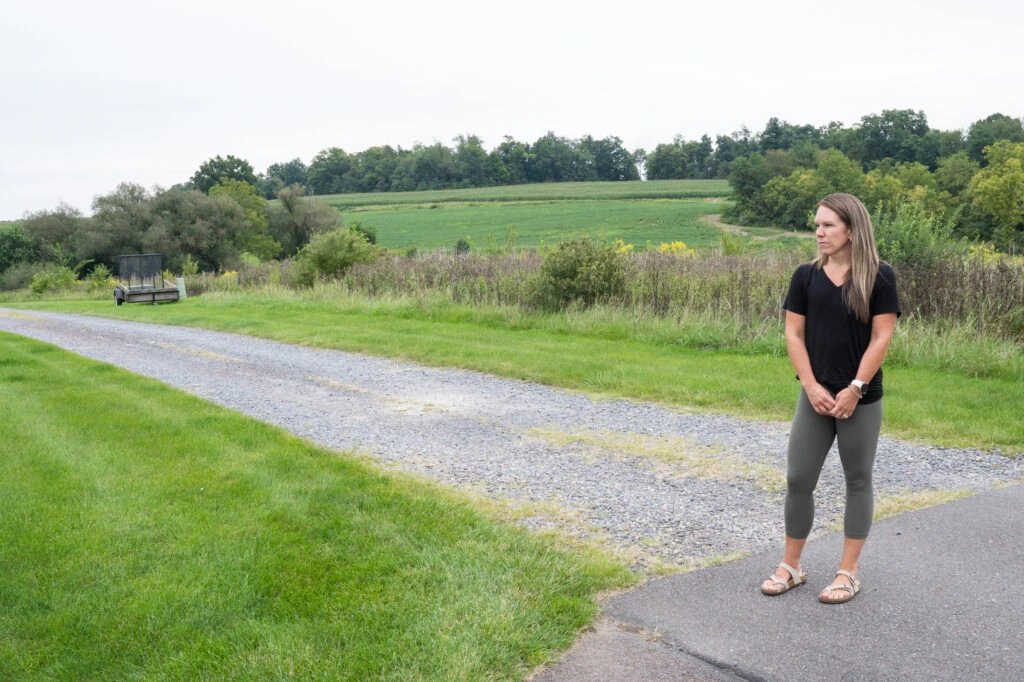
Pennsylvania's Department of Environmental Protection is investigating PFAS contamination in groundwater and wells in Columbia County, including North Centre Township, where a family's water tested at 182.4 parts per trillion total PFAS in 2024. The contamination stems from sewage sludge spread on farm fields as fertilizer since the 1980s. The state has warned residents not to eat fish from Briar Creek.
Key Facts
- The Williams family's well water in North Centre Township tested at 182.4 total parts per trillion of PFAS in 2024, with PFOA eight times the EPA limit and PFOS 32 times the limit.
- The Pennsylvania Department of Environmental Protection has been investigating the groundwater plume from the farm and around a dozen other sites in Columbia County for two years.
- A 2023 U.S. Geological Survey study found at least one PFAS in 76 percent of Pennsylvania streams, and a 2025 Three Rivers Waterkeeper test found PFAS in 74 percent of 39 Western Pennsylvania sites.
- The EPA established drinking water standards for six PFAS chemicals in 2024, including a 4 parts per trillion limit for PFOA and PFOS.
Contamination Source
The PFAS in Nicole Williams' well originated from sewage sludge that the nearby farm received from the local water treatment plant and spread on its fields as fertilizer beginning in the 1980s. The state Department of Environmental Protection is investigating the groundwater plume emanating from the farm and around a dozen other sites in Columbia County that also utilized the sludge. The investigation is the state's first in the region, according to Lane Whigham, director of the Alliance for Aquatic Resource Monitoring at Dickinson College.
Health and Environmental Impact
Consuming high levels of PFAS can pose a risk to reproductive and developmental health, hinder the immune system and hormones, and contribute to a variety of cancers, according to the U.S. Environmental Protection Agency. The Department of Environmental Protection found elevated levels of PFAS in Briar Creek and has cautioned residents not to eat fish caught there. Lane Whigham said the crisis in North Centre 'is the tip of the iceberg' and that the fish warning is likely just the beginning of what's needed.
1 source
Time · lag behind first