
CIS states approve new common migration space concept in St. Petersburg
This digest was compiled by AI from multiple sources — links to the originals are below.
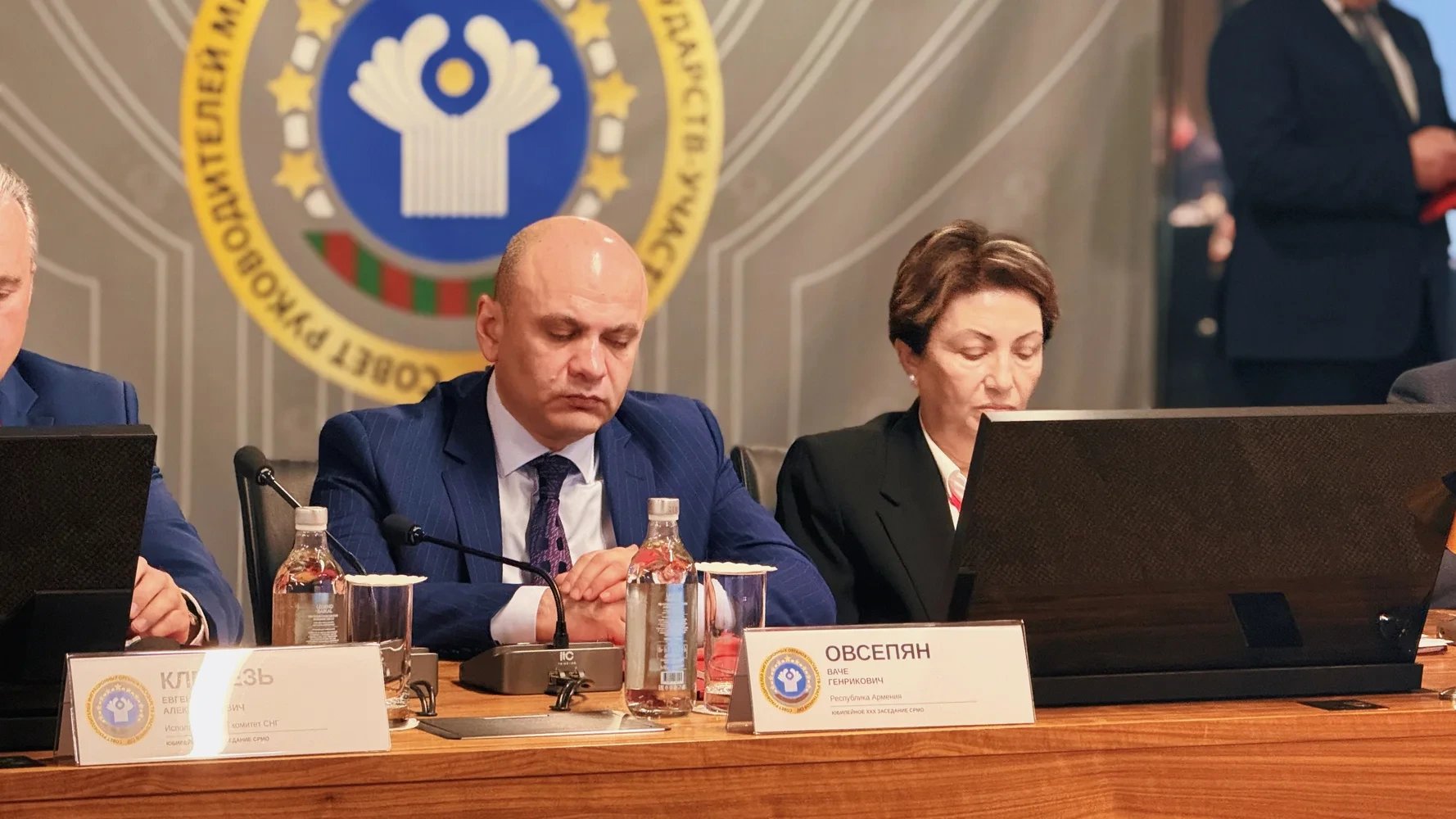
CIS migration officials approved a draft new concept for a common migration space at a meeting in St. Petersburg on September 24. The updated document treats migration as a complex process requiring coordinated state approaches, with digitalization and migrant insurance harmonization among key directions.
Key Facts
- The 30th meeting of the CIS Council of Heads of Migration Bodies took place in St. Petersburg on September 24.
- Representatives from Azerbaijan, Armenia, Belarus, Kazakhstan, Kyrgyzstan, Russia, Tajikistan, and Uzbekistan participated in the meeting.
- The draft new concept was presented by Evgenia Vladimirova, secretary of the IPA CIS Standing Commission on Social Policy.
- The Interparliamentary Assembly of CIS began preparing the new concept in 2025, with working group meetings on April 2 and October 9.
Concept Approval
The CIS Council of Heads of Migration Bodies approved the draft new concept for a common migration space at its 30th meeting in St. Petersburg on September 24. The updated document proposes viewing migration not only as labor resource movement but as a complex process requiring coordinated state approaches. The CIS Executive Committee linked this approach to the sustainable and cyclical nature of migration flows and the close interconnection of member economies.
Digitalization and Insurance
The new approach includes developing unified systems for recording migration flows and vacancies to better match worker movement with labor market needs. Special platforms are planned to inform and prepare labor migrants on stay rules, employment, legislation, and language requirements. The concept also aims to harmonize approaches to migrant medical insurance, with Evgenia Vladimirova noting that unified rules should become part of a clearer regulatory system.
Technology Exchange
Meeting participants exchanged experience on using modern information technologies to control and track migration flows. The Russian side presented its practice of biometric systems and video surveillance to counter illegal migration. Russia also proposed creating a Unified System for recording third-country nationals and stateless persons entering CIS territories.
3 sources
Time · lag behind first