
Five Caspian states adopt plan to save shrinking sea at Tehran convention
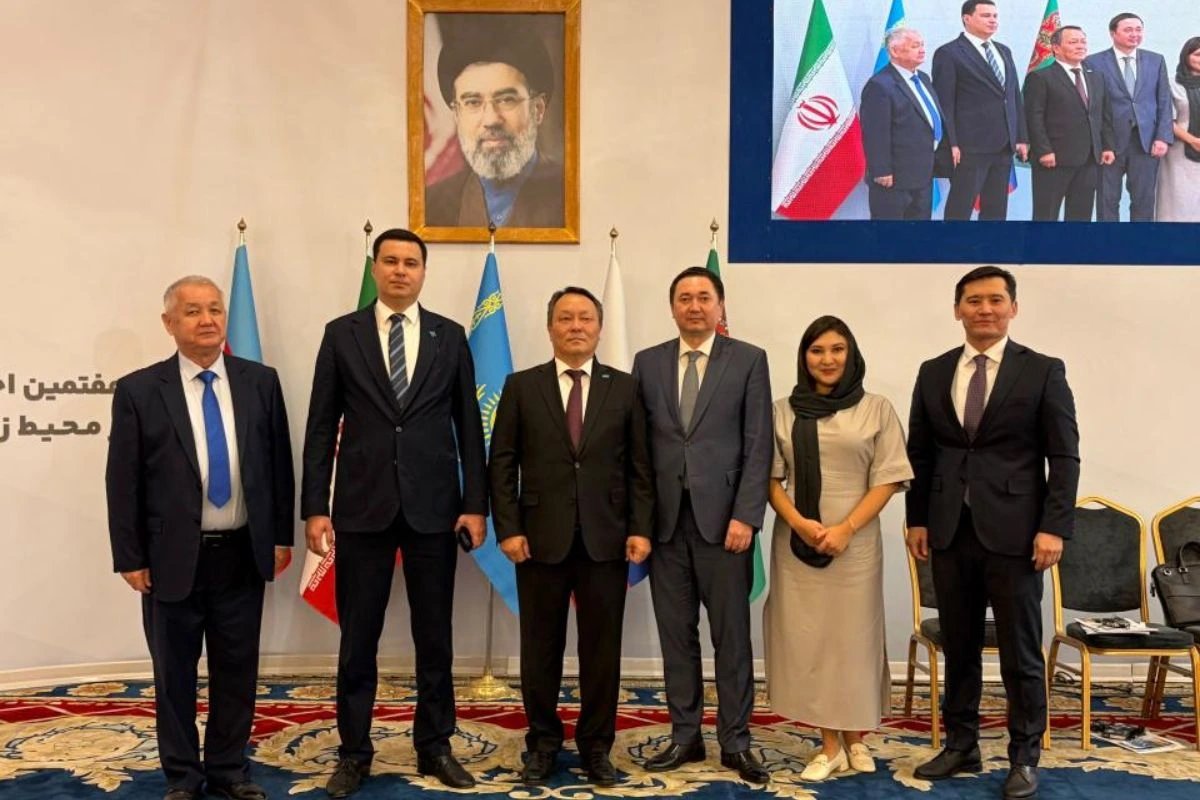
This digest was compiled by AI from multiple sources — links to the originals are below.
Kazakhstan, Azerbaijan, Iran, Russia and Turkmenistan signed a ministerial statement and adopted decisions at the 7th Tehran Convention session in Tehran. The agreement includes a Kazakh-proposed interstate program to preserve Caspian water resources and a unified environmental monitoring system.
Key Facts
- The 7th session of the Tehran Convention took place in Tehran with participation from Kazakhstan, Azerbaijan, Iran, Russia and Turkmenistan.
- The meeting coincided with the 20th anniversary of the convention's entry into force.
- The ministerial statement officially included Kazakhstan's initiative for an interstate program to preserve Caspian water resources.
- The parties agreed to establish a unified environmental monitoring system for water, biological resources and sea level fluctuations.
- The adopted documents create a legal and organizational basis for preventing an ecological crisis in the Caspian Sea.
Tehran Convention Session
The 7th session of the Framework Convention for the Protection of the Marine Environment of the Caspian Sea was held in Tehran. Delegations from Kazakhstan, Azerbaijan, Iran, Russia and Turkmenistan participated in the meeting. The session coincided with the 20th anniversary of the convention's entry into force. The main topics of negotiations were the rapid decline in sea level and the threat to biodiversity. Heads of delegations signed a joint ministerial statement and adopted a package of official decisions.
Agreed Measures
The ministerial statement officially included the initiative of Kazakhstan's President to create an interstate program for the preservation of Caspian water resources. The program will unite the efforts of all five countries to comprehensively address the problem of shallowing. The parties agreed to establish a unified environmental monitoring system with continuous data exchange on water condition, biological resources and sea level fluctuations. The adopted documents shift cooperation from discussion format to practical joint environmental projects for the protection of the water area. The agreed decisions create a legal and organizational basis for preventing an ecological crisis in the Caspian Sea.
1 source
Time · lag behind first