
Israel offers up to 200,000 shekels to firms hit by settlement trade bans
This digest was compiled by AI from multiple sources — links to the originals are below.
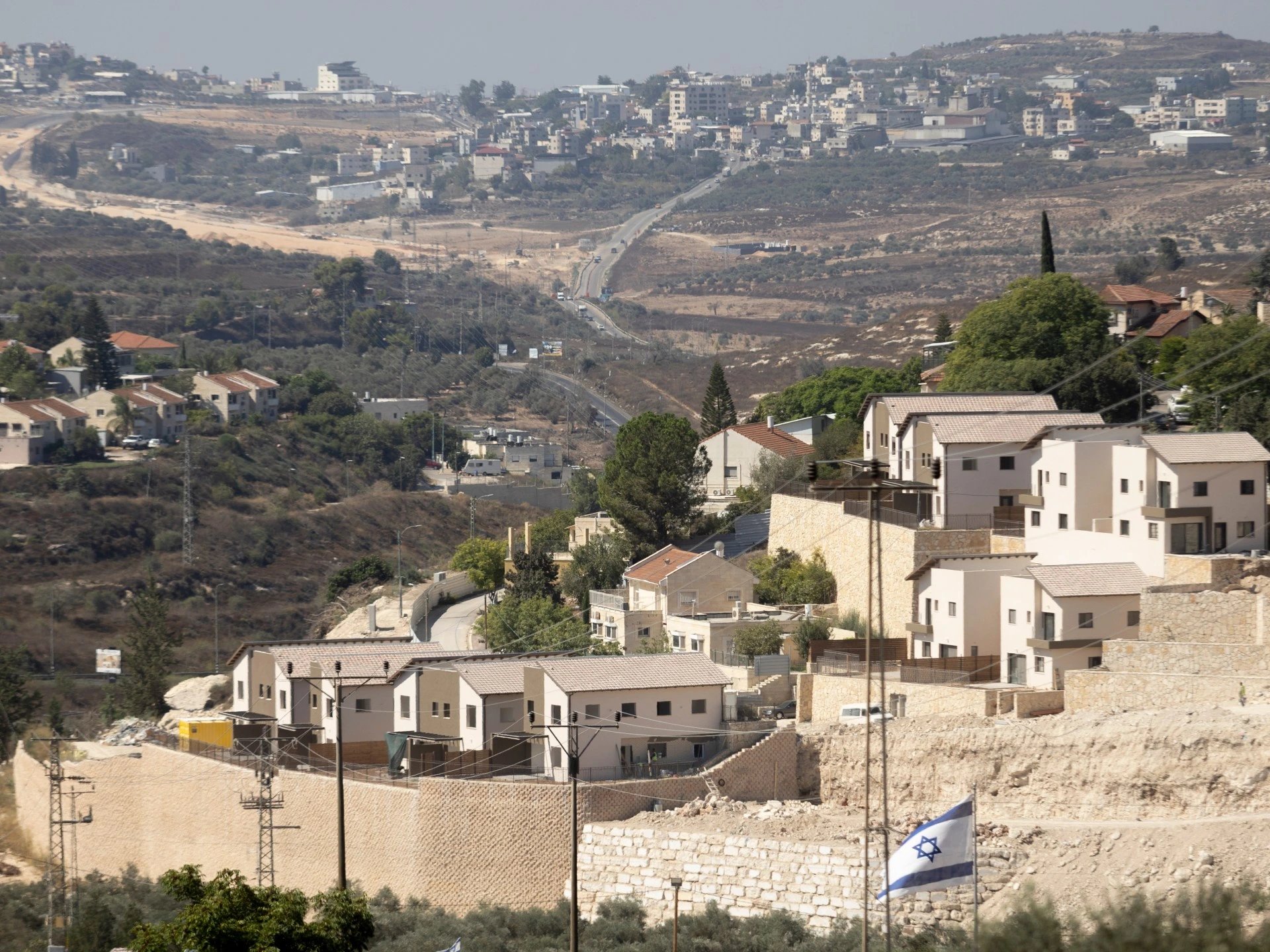
Israel plans to pay companies in illegal settlements up to 200,000 shekels ($54,000) each to offset losses from European import bans. The Ministry of Economy and Industry has set up a dedicated team to help affected exporters find alternative markets. More than 25 applications for assistance have already been submitted.
Key Facts
- Israel will pay up to 200,000 shekels ($54,000) per company to firms in illegal settlements affected by European trade bans.
- The Ministry of Economy and Industry has set up a dedicated team to help affected exporters find alternative markets, including the Philippines, India, the UAE, Chile and Argentina.
- More than 25 applications for assistance have already been submitted by companies expected to be affected.
- Spain and the Netherlands are among the only places in Europe where there is an effective boycott, according to Roey Fisher, head of Israel's Foreign Trade Administration.
- The UK and EU together account for over a third of Israel's exports, according to Chatham House associate fellow Julie Norman.
Government Support Package
The Israeli government plans to pay companies in illegal settlements up to 200,000 shekels ($54,000) following a commitment by European countries to ban their goods. Roey Fisher, head of Israel's Foreign Trade Administration at the Ministry of Economy and Industry, told Israeli media outlet Calcalist that a dedicated team has been set up to help companies operating in illegal settlements find alternative markets. The assistance covers exporters of fresh produce, and more than 25 applications for assistance have already been submitted by companies expected to be affected. Fisher played down the immediate reach of the bans, saying that not everyone is boycotting Israel and pointing to differences between European countries.
Market Diversification Efforts
The dedicated team is helping affected exporters find alternative markets, including the Philippines, India, the United Arab Emirates, Chile and Argentina. Julie Norman, an associate fellow at Chatham House, told Al Jazeera the grants would provide a significant lift for exporters seeking new markets, but said the financial impact of the bans remained uncertain. Norman said the grants were unlikely to fully offset lost sales in the short term, with the UK and EU together accounting for over a third of Israel's exports. Shamiul Joarder, director at Friends of Al-Aqsa, a UK-based nonprofit, said government support helping exporters find alternative markets could cushion the commercial impact of the bans.
European Boycott Implementation
While a growing number of countries have pledged to restrict trade with Israeli settlements, far fewer have actually put those measures into force. Fisher said Spain and the Netherlands are among the only places in Europe where there is an effective boycott. He added that countries that have announced boycotts, including England, have not applied them to all Israeli exports. Norman said the government support highlighted a broader challenge for countries seeking to economically target settlements, as the settlements themselves are still supported by the Israeli government.
1 source
Time · lag behind first