
UN report warns AI is reshaping mercenary activity worldwide
This digest was compiled by AI from multiple sources — links to the originals are below.
A new UN working group report presented to the Human Rights Council shows how digital transformation has spread mercenary activity. The report proposes a new concept of 'technology-enabled mercenarism' covering commercial development, sale, and use of digital, cyber, geospatial, and autonomous tools by private actors. It details how social media platforms and AI-generated content are used for recruitment, disinformation, and financing.
Key Facts
- The UN Working Group on the use of mercenaries presented its report to the UN Human Rights Council.
- The report proposes a new concept of 'technology-enabled mercenarism' covering commercial development, sale, and use of digital, cyber, geospatial, and autonomous tools by private actors.
- Social media platforms including TikTok, Telegram, WhatsApp, Facebook, Instagram, Discord, VKontakte, and the military computer game Arma 3 are listed as recruitment tools.
- The report describes a market for 'disinformation as a service' where clients can purchase campaigns involving deepfakes, fake voices of politicians, AI-generated avatars, and coordinated networks of automated accounts.
- Financing of mercenary operations has also gone digital, sometimes collected almost invisibly through virtual badges and emojis built into social media apps.
Technology-Enabled Mercenarism
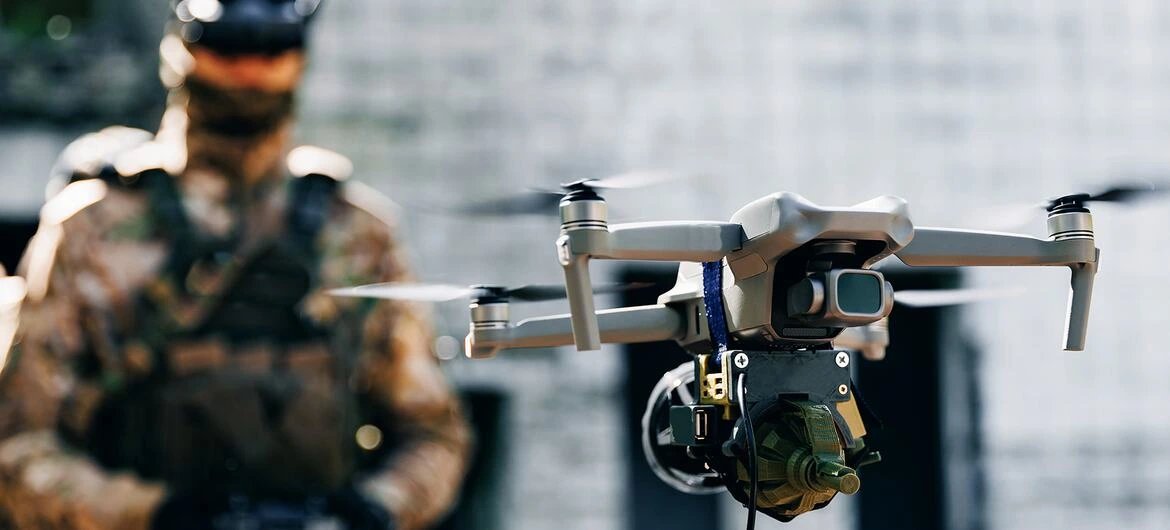
The report introduces the concept of 'technology-enabled mercenarism' to describe the commercial development, sale, and use of digital, cyber, geospatial, and autonomous tools by private actors for state or non-state clients. Such services enable espionage, surveillance, cyberattacks, sabotage, information manipulation, and participation in military operations. Private companies already offer clients packages of services including thermal imaging surveillance, signal interception, biometric identification, open-source analysis, encrypted communications, threat forecasting, and automated risk alerts. Some platforms can combine data from satellites, drones, signals intelligence, and the internet in near real time.
Digital Recruitment and Disinformation
Social media platforms are used for recruitment, with the report listing TikTok, Telegram, WhatsApp, Facebook, Instagram, Discord, VKontakte, and the military computer game Arma 3. Potential recruits are shown staged or AI-processed materials romanticizing war, pay, and the fighter's lifestyle. Children are especially vulnerable, with music, filters, emojis, and coded expressions used to attract their attention. The report describes a market for 'disinformation as a service' where clients can purchase campaigns involving deepfakes, fake voices of politicians, AI-generated avatars, and coordinated networks of automated and semi-automated accounts. These campaigns are used to create the illusion of mass public support, discredit political opponents, and interfere in elections.
Digital Financing
Financing of mercenary operations has also gone digital, sometimes collected almost invisibly through virtual badges and emojis built into social media apps.
1 source
Time · lag behind first