
US sanctions on Iran may hit Tajikistan fuel, banking and transit links
This digest was compiled by AI from multiple sources — links to the originals are below.
New US sanctions against Iran could complicate Tajikistan's fuel imports, banking operations and cargo transit, The National Interest reported. Tajikistan has requested 2.55 million tonnes of oil and petroleum products from Iran. The measures may also make regional banks reluctant to handle even formally permitted Iran-related transactions.
Key Facts
- Tajikistan has requested 2.55 million tonnes of oil and petroleum products from Iran, including 2 million tonnes of crude oil, 300,000 tonnes of diesel, 150,000 tonnes of gasoline and 100,000 tonnes of jet fuel.
- US Treasury Secretary Scott Bessent announced Operation Economic Outcast on August 24, targeting Iran and entities in third countries that assist it.
- President Donald Trump declared an "economic D-Day" against Iran on August 19 and warned of serious consequences for countries and organizations helping Tehran evade restrictions.
- Central Asian banks may refuse even formally permitted Iran-related transactions to avoid secondary sanctions or loss of access to the US financial system, according to The National Interest.
- Iran serves as a route for Central Asian cargo to Persian Gulf and Indian Ocean ports, requiring interaction with Iranian railways, truckers, ports, customs, insurers and banks.
Sanctions Expansion
On August 19, President Donald Trump announced an "economic D-Day" against Iran and warned of serious consequences for countries and organizations that help Tehran circumvent restrictions. On August 24, US Treasury Secretary Scott Bessent announced Operation Economic Outcast, aimed at Iran and structures in third countries that assist it. The National Interest analyst James Durso wrote on September 8 that Central Asian countries are not the primary target of Washington's sanctions policy. However, the expansion of secondary restrictions could create problems for the region's legitimate trade with Iran and for the use of Iranian territory as a route to southern seaports.
Tajikistan Exposure
Tajikistan's direct trade turnover with Iran is smaller than that of some other regional countries, but transport and energy cooperation between Dushanbe and Tehran is expanding. Tajikistan has requested a total of 2.55 million tonnes of oil and petroleum products from Iran: 2 million tonnes of crude oil, 300,000 tonnes of diesel fuel, 150,000 tonnes of gasoline and 100,000 tonnes of aviation fuel. Tightening sanctions could complicate such deals, with problems arising not only in fuel purchases but also in payments, insurance and transport organization. Banks in the region may refuse even formally permitted Iran-related operations if they consider the risk of secondary sanctions or loss of access to the US financial system too high.
Transit Risk
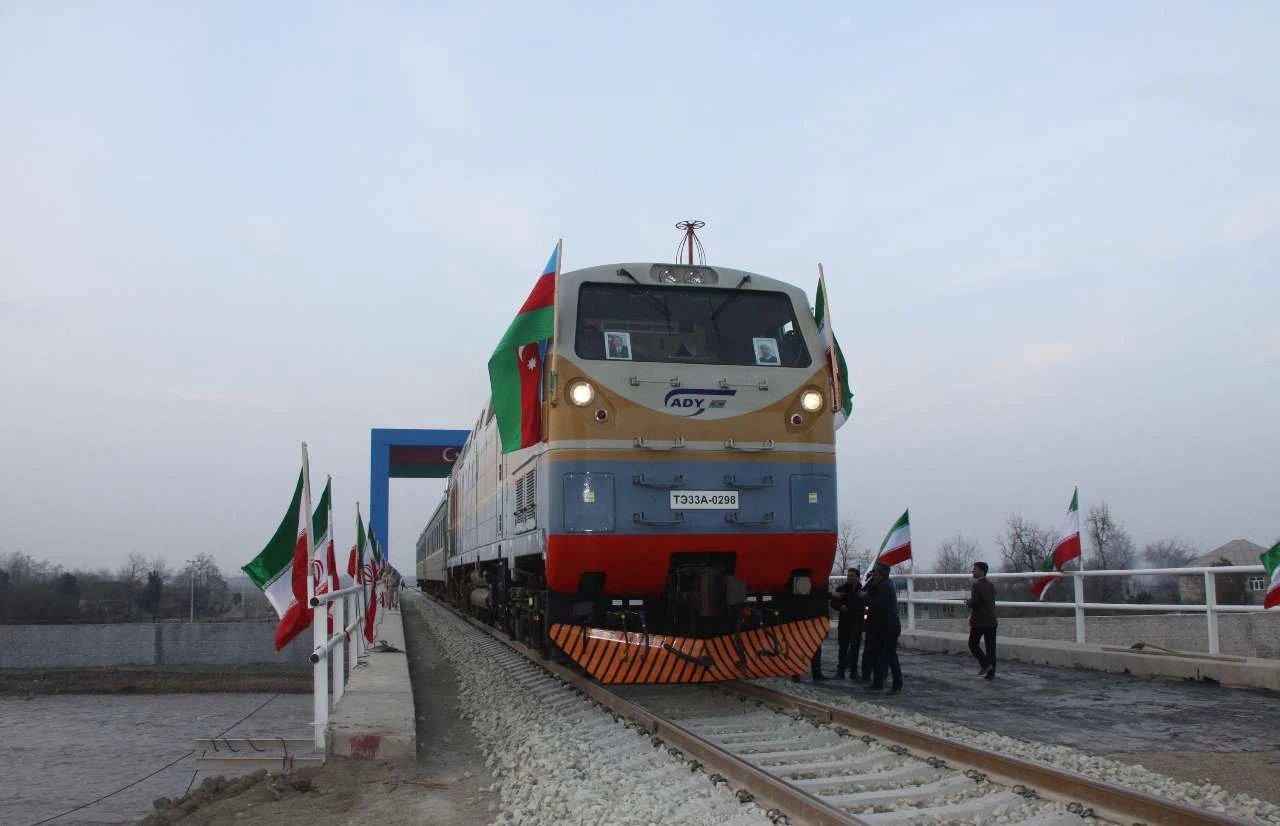
Iran is important for Central Asia not only as a trade partner but also as one of the routes to Persian Gulf and Indian Ocean ports. Transporting cargo through Iran requires interaction with Iranian railways, road carriers, ports, customs services, insurance companies and banks. Even cargo that is not itself subject to sanctions may face problems if the banks, insurers or carriers serving it decide that working on the Iranian route carries too high a risk.
1 source
Time · lag behind first