
Shymkent residents observe fewer familiar birds as mynas adapt to city life
This digest was compiled by AI from multiple sources — links to the originals are below.
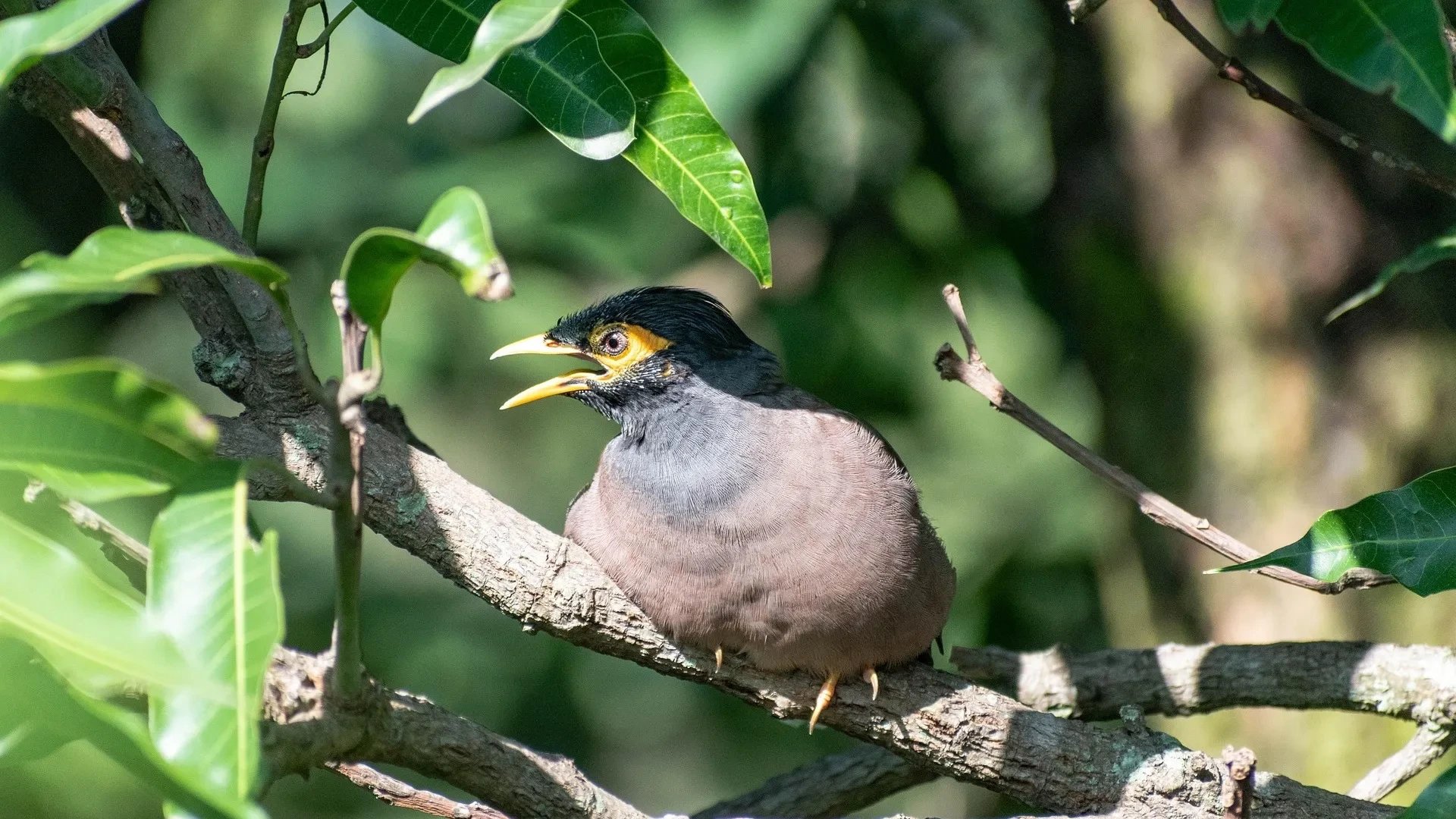
Residents of Shymkent say familiar birds such as sparrows, tits, and swallows are now seen less often, while common mynas have become more visible. Ornithologist Oleg Khan said mynas may compete with sparrows and tits for food and nesting sites, but there is no evidence yet that they are significantly reducing those populations. The decline of familiar species, he said, is more closely tied to changes in the urban environment and habitat loss.
Observed Decline
Residents of Shymkent interviewed by Otyrar.kz say sparrows, tits, swallows, hoopoes, nightingales, starlings, and swifts are now seen less often. The common myna, also called the Afghan or Iranian myna, has become more visible. Birdwatcher Rinat Khamidulin, who has observed Shymkent birds since childhood, said some species once common are now seen less frequently. The city's permanent bird population includes six main groups: mynas, blackbirds, sparrows, several turtle dove species, magpies, and crows.
Competing Explanations
Ornithologist Oleg Khan said mynas may compete with sparrows and tits for food and nesting sites, but there are no grounds yet to say they are substantially reducing those populations. Birdwatcher Rinat Khamidulin listed four myna traits — aggression, cohesion, intelligence, and boldness — and said some residents suspect the bird has affected other urban birds. Khan described competition between species as a natural part of ecosystems and tied the decline of familiar birds mainly to urban change and habitat destruction. Oleg Khan and Rinat Khamidulin cautioned against treating the myna as the proven main cause.
1 source
Time · lag behind first