
UK petrol prices rose 22% between February 25 and August 11, squeezing poorest households
This digest was compiled by AI from multiple sources — links to the originals are below.
UK annual inflation slowed to 2.8% in June from 3.0% in May, but the Bank of England expects it to climb further in the second half of the year as the US-Israel war on Iran drives up energy costs. Petrol and diesel prices rose 22% and 27% respectively between February 25 and August 11, according to the RAC Foundation. The lowest-income 20% of households spend £407 a week on average, compared with £1,084 for the richest 20%.
Inflation and Fuel Prices
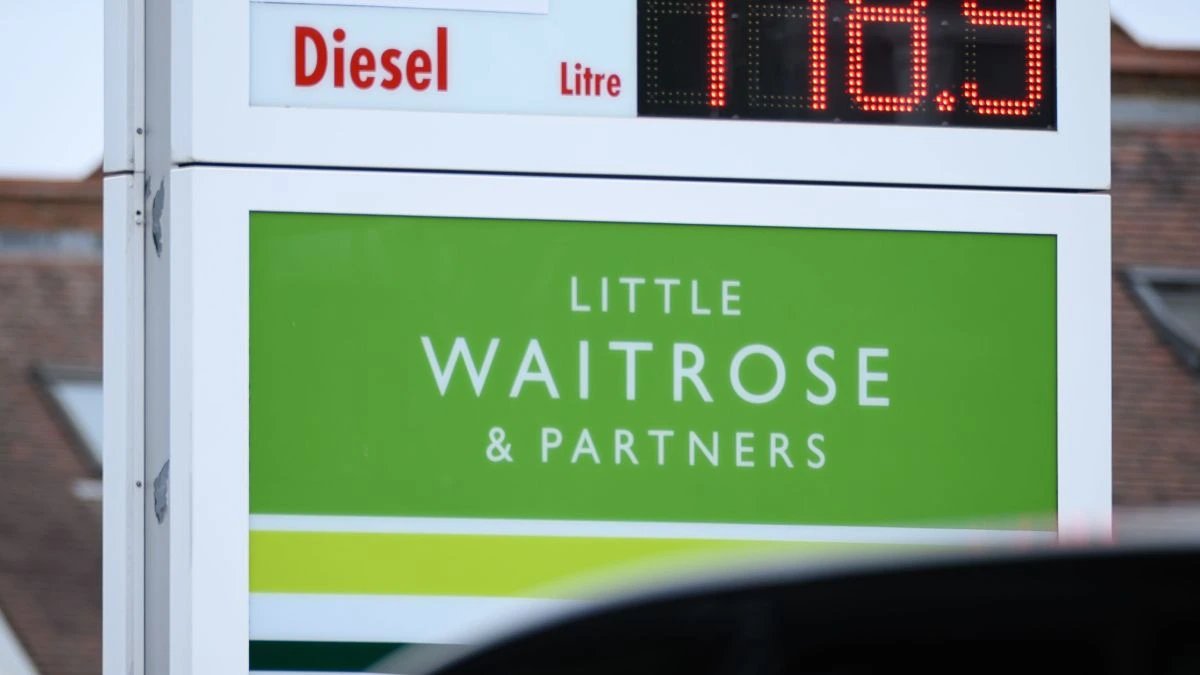
Annual CPI inflation was 2.8% in June, down from 3.0% in May, but the Bank of England had forecast a fall to 2.3% in 2026 before the February 28 US-Israel attack on Iran. Instead, inflation was 3.4% in March, driven by higher fuel and heating costs. The closure of the Strait of Hormuz, which carries about one-fifth of global oil and LNG supplies, pushed UK petrol prices to a three-and-a-half-year high. The RAC Foundation recorded petrol up 22% and diesel up 27% between February 25 and August 11, with average petrol reaching £1.61 per litre and diesel £1.81.
Household Spending Gap
The average UK household spends about £677 per week on goods and services, with housing, fuel, power, transport and food among the largest costs. The Office for National Statistics found the poorest 20% of households spend an average of £407 a week, compared with £1,084 for the richest 20%. Because lower-income households devote a larger share of spending to rent, energy, food and transport, they have less cushion to absorb price increases. The Bank of England expects inflation to climb further in the second half of the year as the Iran war fallout pushes up household bills.
1 source
Time · lag behind first