
UNICEF and Turkmenistan’s Ministry expand Green School programme to 120 schools
This digest was compiled by AI from multiple sources — links to the originals are below.
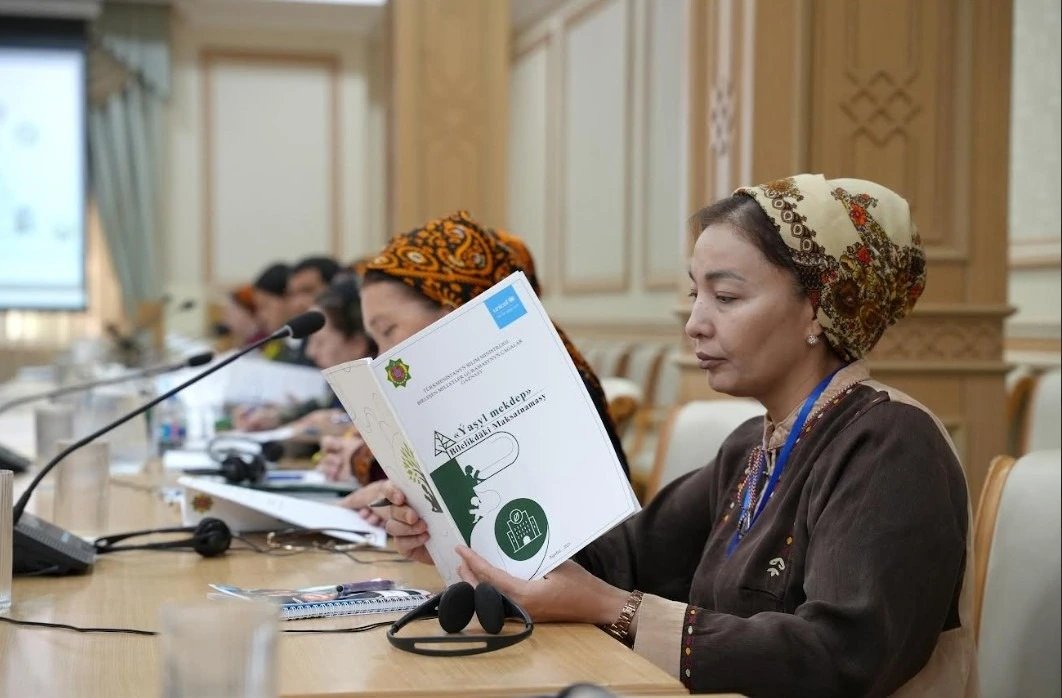
UNICEF and Turkmenistan’s Ministry of Education added 100 schools to the Green School programme on 7 August, bringing total participation to 120. The joint initiative, launched as a pilot in 2025 with 20 schools, seeks to enhance school safety, health and climate resilience.
Programme Foundation
The Green School programme was established under a March 2025 memorandum of understanding between the Ministry and UNICEF. It rests on four pillars: school governance, infrastructure and operations, teaching and learning, and community engagement. Since its launch, the programme has been piloted in 20 schools nationwide. Two pilot schools received concrete infrastructure improvements, while all integrated climate change, environmental protection and disaster risk reduction into daily curricula.
Pilot Outcomes
During the pilot phase, student participation exceeded expectations. A national ‘Green Skills’ competition showcased pupils’ creativity, leadership and civic engagement, often extending impact into broader communities. The initiative has now expanded to 120 schools, with a joint target to reach 500 of the country’s approximately 1,900 schools by 2030.
Certification and Next Phase
The Ministry and UNICEF are preparing the first phase of Green School certification, slated for autumn 2026. All participating institutions will receive methodological guides on climate adaptation before the new academic year. Climate education is a core component and a key criterion for attaining Green School status.
6 sources
Time · lag behind first