
South Korea inflation cools in August, back-to-back rate hike still possible
This digest was compiled by AI from multiple sources — links to the originals are below.
South Korea's consumer price index rose 2.0% in August from a year earlier, down from 2.2% in July and below the 2.1% forecast. The cooling inflation could give the Bank of Korea some breathing room, but officials warned a back-to-back interest rate hike remains on the table amid persistent housing market pressures.
Inflation Data
Statistics Korea reported on Monday that August consumer price inflation eased to 2.0% year-on-year, the slowest pace in three months. Core inflation, which strips out volatile food and energy costs, rose 1.8%, compared with 1.9% in July. Both headline and core readings undershot the median estimates of economists polled by Reuters, who had forecast 2.1% and 1.9%, respectively. The Bank of Korea's 2% medium-term target has now been met for a second straight month.
Monetary Policy Outlook
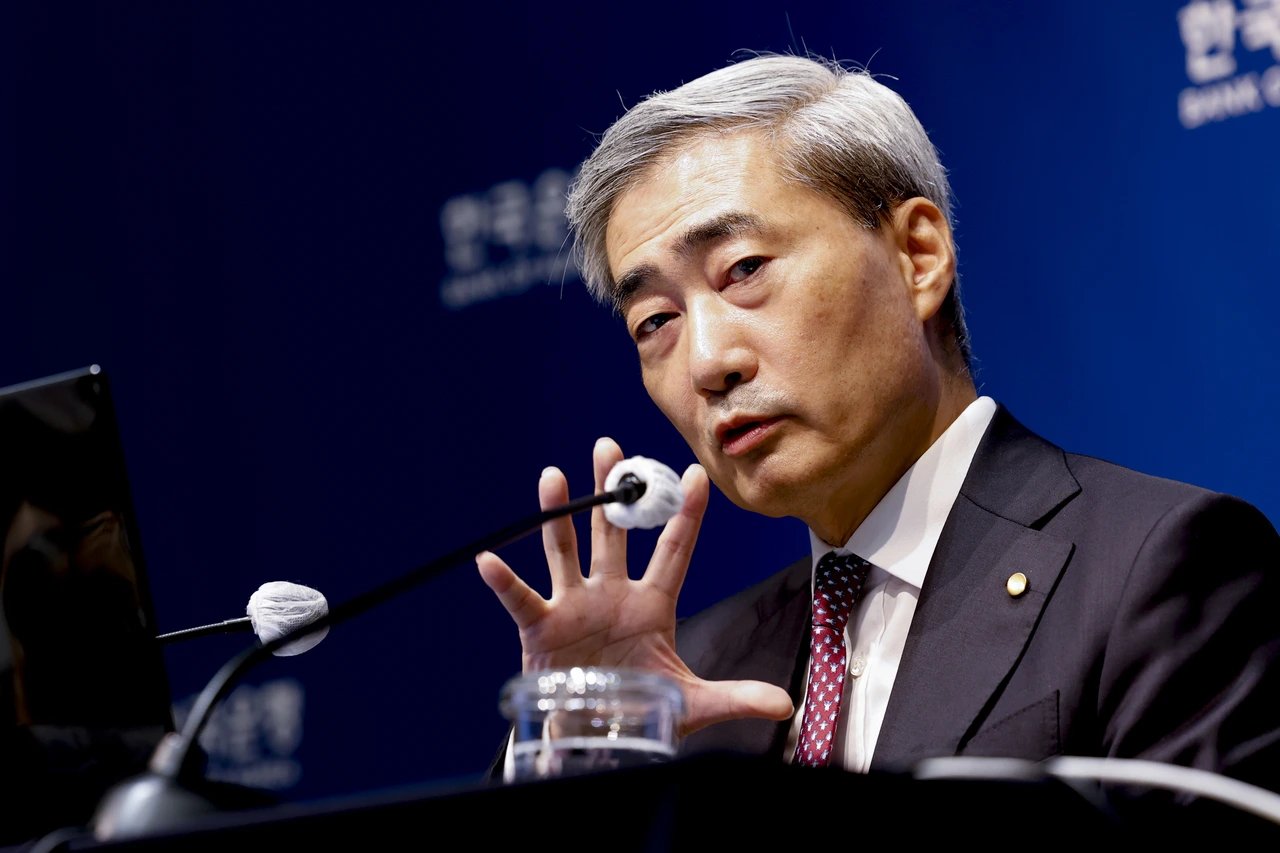
Bank of Korea Governor Rhee Chang-yong said earlier that a single data point would not alter the bank's tightening stance, citing concerns over household debt and rising home prices in Seoul. The central bank delivered a 25-basis-point rate hike at its July meeting, the first back-to-back increase in over a year, lifting the base rate to 3.75%. Analysts at Nomura and Goldman Sachs said the softer inflation print reduces the urgency for another hike, but they still see a 40% probability of a move in September.
Economic Context
South Korea's economy grew 0.5% in the second quarter, slowing from 0.9% in the first, as exports weakened. Government measures to cool the property market, including stricter mortgage rules in the capital region, have yet to show a clear impact. Apartment prices in Seoul rose 0.3% in August from a month earlier, the fastest pace since January, according to the Korea Real Estate Board.
1 source
Time · lag behind first