
Egyptian ape fossil challenges East African origin of modern apes
This digest was compiled by AI from multiple sources — links to the originals are below.
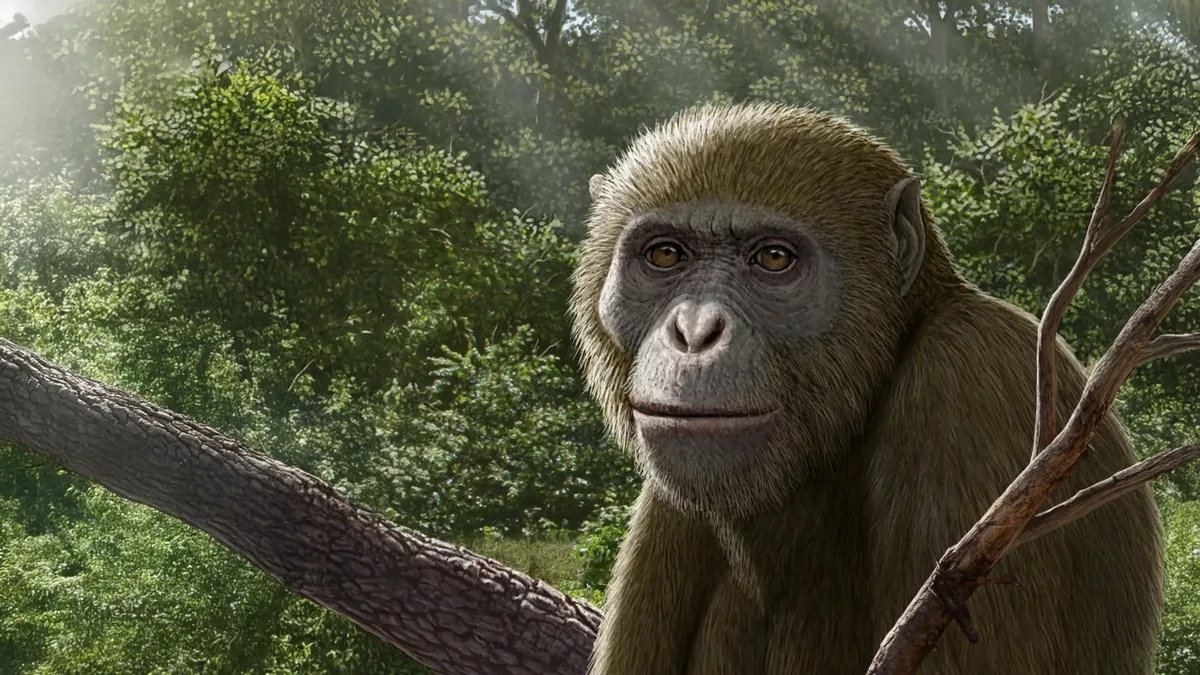
A newly identified fossil ape from northern Egypt, Masripithecus moghraensis, lived 17-18 million years ago and is closer to living apes than any known East African species of the same age. The discovery, published in Science by Mansoura University and USC, suggests North Africa and the Middle East may have been a key crossroads for ape evolution.
A Missing Piece in North Africa
Before this discovery, Early Miocene fossil sites in North Africa had yielded only monkey remains, leading researchers to believe apes were largely restricted to southern Africa. Hesham Sallam of Mansoura University, senior author of the study, said the team spent five years searching for such a fossil because North Africa held a missing piece in the early ape family tree. The new evidence suggests gaps in the fossil record may have distorted the history of crown Hominoidea, the group including all living apes and humans.
A Distinct Ape From Ancient Egypt
Masripithecus moghraensis, named from the Arabic Masr (Egypt) and Greek píthēkos (ape), differs substantially from East African ape species of similar age. The fossils were discovered at Wadi Moghra in northern Egypt, providing the first definitive evidence of an ape from North Africa. Their age and location broaden the known distribution of early apes and point to Egypt and the wider Middle East as an important evolutionary crossroads.
1 source
Time · lag behind first