
NASA's Roman telescope to launch with shape-shifting mirrors by end of August
This digest was compiled by AI from multiple sources — links to the originals are below.
NASA's Nancy Grace Roman Space Telescope is set to launch as early as the end of next month, carrying the first space-bound active coronagraph with deformable mirrors. The instrument will block starlight to directly image exoplanets similar to those in our solar system, potentially paving the way for future Earth-like world discoveries.
The Coronagraph
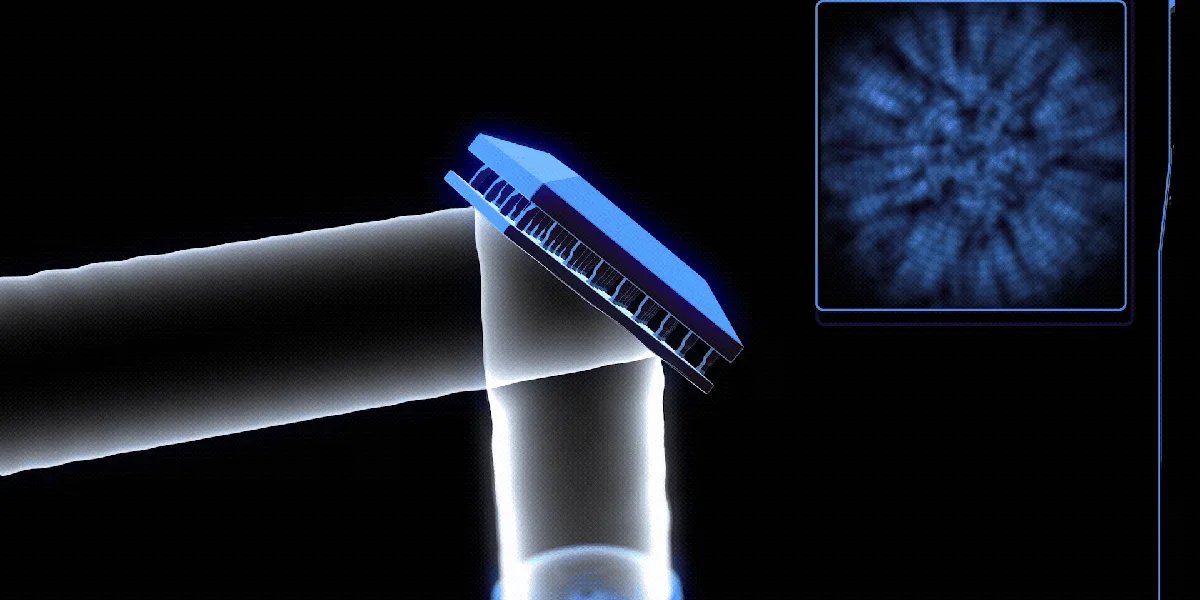
Roman's coronagraph will be the first active coronagraph in space, using two deformable mirrors to suppress stray starlight before each observation. This technique, known as active wavefront control, aims to block out a star's light more effectively than stationary coronagraphs on Hubble and James Webb. The instrument will allow astronomers to see smaller, dimmer, and closer-in exoplanets that have been invisible until now.
Wide-Field Capabilities
The telescope carries a 300-megapixel wide-field camera that will capture images about 100 times larger than Hubble's widest exposures at similar resolution. This will help study dark matter and dark energy, and detect around 100,000 new exoplanets via gravitational microlensing. Harvard research scientist Javier Viaña compared the leap to moving from 'interviewing a handful of people' to 'conducting a global census.'
3 sources
Time · lag behind first