EU resistance to new Russia sanctions grows, FT reports
This digest was compiled by AI from multiple sources — links to the originals are below.
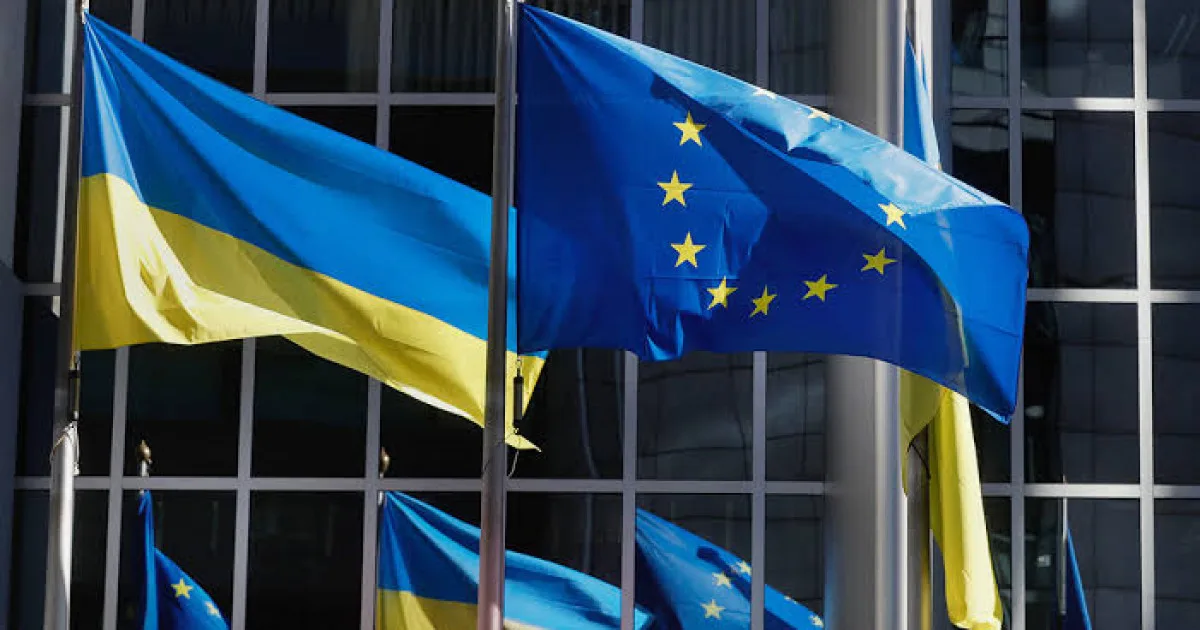
Resistance to new European Union economic sanctions against Russia is intensifying, with several member states demanding exemptions to protect their companies, the Financial Times reported, citing five diplomats involved in the negotiations. The biggest disputes center on sectoral restrictions, including Greek opposition to a ban on Russian LNG transshipment and German and Portuguese objections to a fish import ban. Diplomats warn that the proliferation of exemption requests risks diluting the sanctions package into an ineffective document.
Exemption Demands
Greece has stated it will not support the sanctions package unless it is allowed to transship Russian liquefied natural gas to third countries. Germany and Portugal oppose a ban on Russian fish imports, while France and Italy are pushing to soften a proposal to deny EU visas to Russian military personnel involved in the war in Ukraine. Austria has requested the unfreezing of approximately €2 billion in Russian assets to compensate Raiffeisen Bank for its losses.
Diplomatic Concerns
Diplomats say the number of countries seeking exemptions has reached an unprecedented level. While EU states officially maintain a tough stance and emphasize solidarity, in practice they are increasingly reluctant to support decisions that harm their own businesses. One diplomat warned that if every member state demands concessions, the sanctions package could become a meaningless document.
What's Next
The EU is expected to continue negotiations on the sanctions package in the coming weeks. It remains unclear whether member states can reconcile their competing demands before the next round of restrictions is adopted.
1 source
EU resistance to new Russia sanctions grows, FT reports