
China's AI models challenge US dominance at lower cost
This digest was compiled by AI from multiple sources — links to the originals are below.
Moonshot AI and Alibaba have unveiled frontier models they claim rival top US systems at a fraction of the cost. The releases suggest America's lead in AI is narrowing as the technology becomes central to national security and economic power.
The New Models
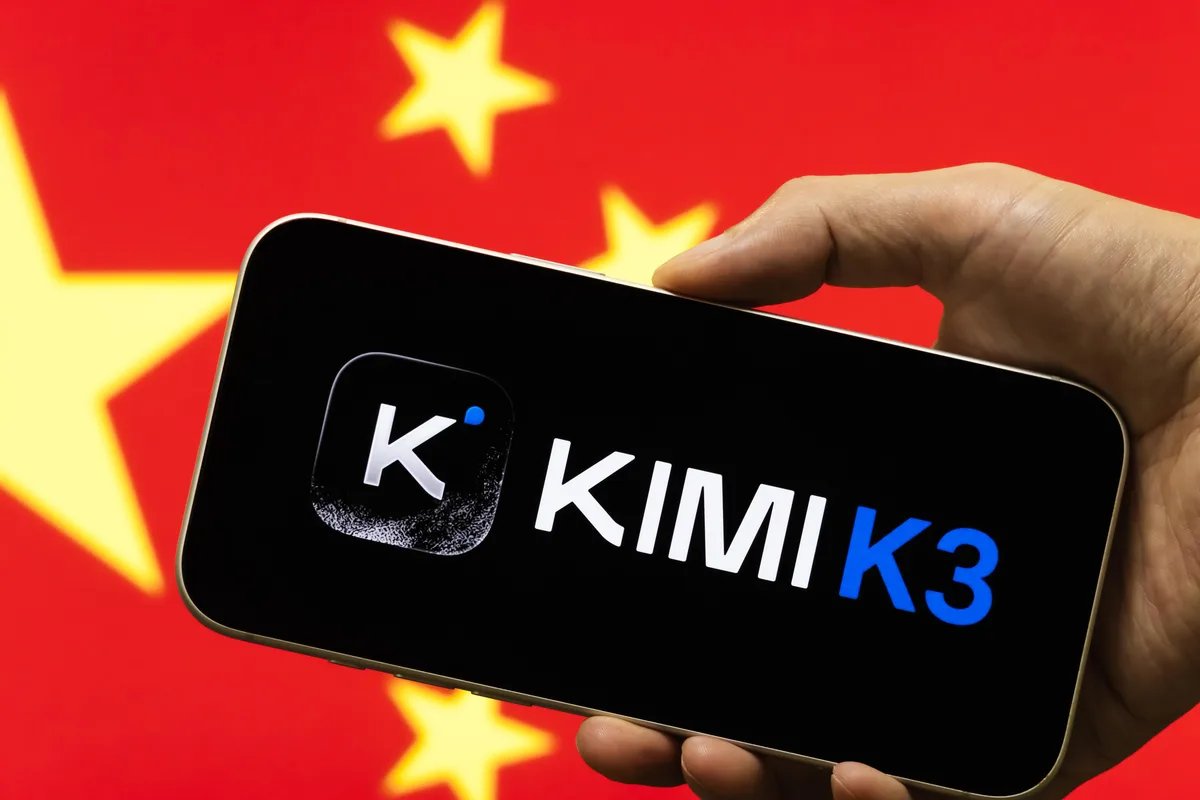
Moonshot AI unveiled Kimi K3 on July 17, claiming it ranks above nearly all US systems except OpenAI's GPT-5.6 Sol and Anthropic's Claude Fable 5. Alibaba followed with Qwen3.8, which it says is 'second only to Fable 5.' Both models are open-source, with Moonshot describing Kimi K3 as the world's largest open-source AI system at 2.8 trillion parameters, while Alibaba's Qwen3.8 has 2.4 trillion parameters.
Open-Source Strategy
Unlike leading US labs that keep their most advanced models proprietary, Moonshot and Alibaba are making their models publicly available. This open-source approach, also used by Meta, allows developers to freely download, modify, and build upon the models, creating a growing point of differentiation for China's AI industry. Moonshot plans to release full model weights on July 27, while Alibaba says Qwen3.8 will go open-weight soon.
Competitive Implications
The releases have intensified the US-China AI race, shaking up the industry in a way not seen since DeepSeek's low-cost model last year. They raise questions about whether massive US investments in chips, data centers, and training can secure a durable advantage if Chinese rivals can approach or surpass that frontier with fewer resources. Independent testing of the models is still pending.
3 sources
Time · lag behind first