Kazakh scientists develop nanoparticles for targeted chemo delivery
This digest was compiled by AI from multiple sources — links to the originals are below.
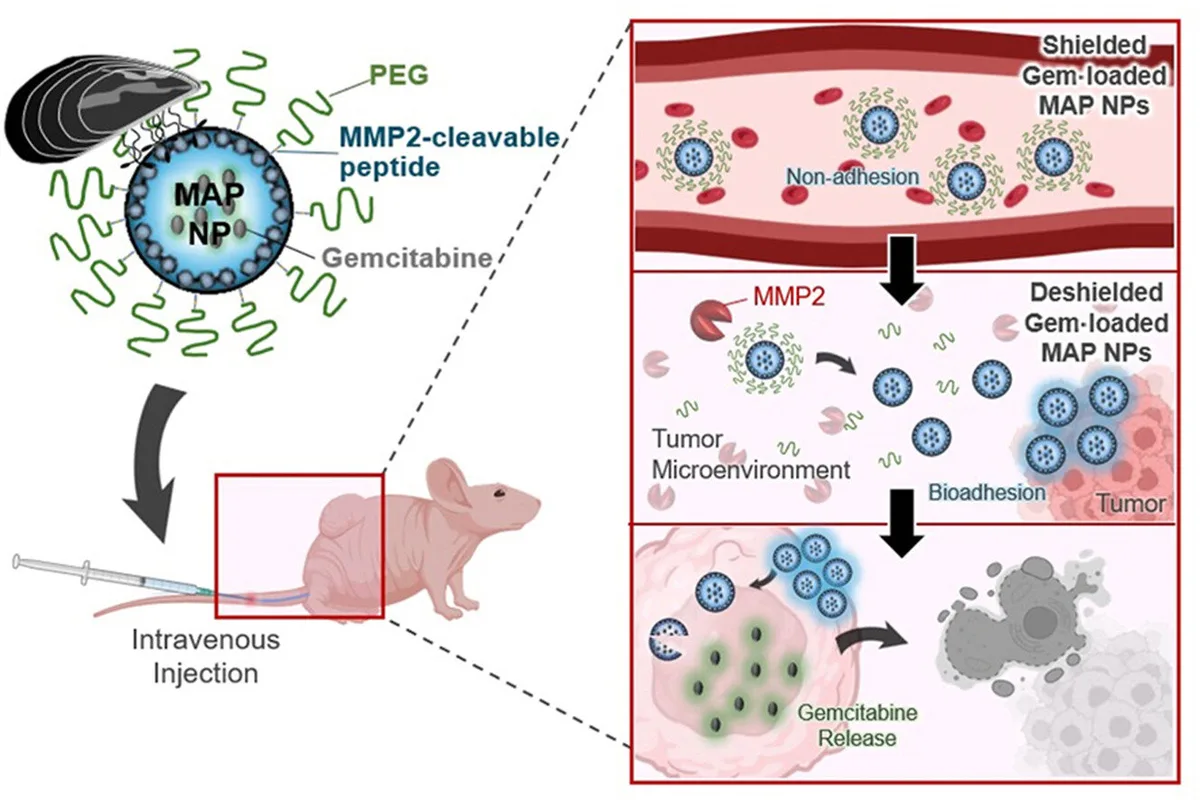
Researchers in Kazakhstan have developed nanoparticles that deliver chemotherapy drugs directly to cancer cells, reducing side effects. The technology, tested in vitro, showed a 30% increase in drug accumulation at tumor sites compared to conventional methods.
The Nanoparticle Design
The nanoparticles, developed by a team at the Institute of Nuclear Physics in Almaty, are coated with a polymer that binds to receptors overexpressed on cancer cells. This allows the particles to release the drug only inside the tumor microenvironment, sparing healthy tissue. The study, published in the journal Nanomedicine, reports a 50% reduction in systemic toxicity in lab tests.
Clinical Potential and Next Steps
The researchers plan to begin animal trials within six months, pending approval from the Ministry of Health. If successful, human clinical trials could start in 2028. The team is also exploring the use of the nanoparticles for delivering other therapies, such as gene-editing tools.
What's Next
The team will seek funding for animal trials from the Science Committee of the Ministry of Education and Science. It remains unclear whether the technology will scale to industrial production or face regulatory hurdles.
1 source
Kazakh scientists develop nanoparticles for targeted chemo delivery