Ancient sea worm jaws reveal new class of bio-metal materials
This digest was compiled by AI from multiple sources — links to the originals are below.
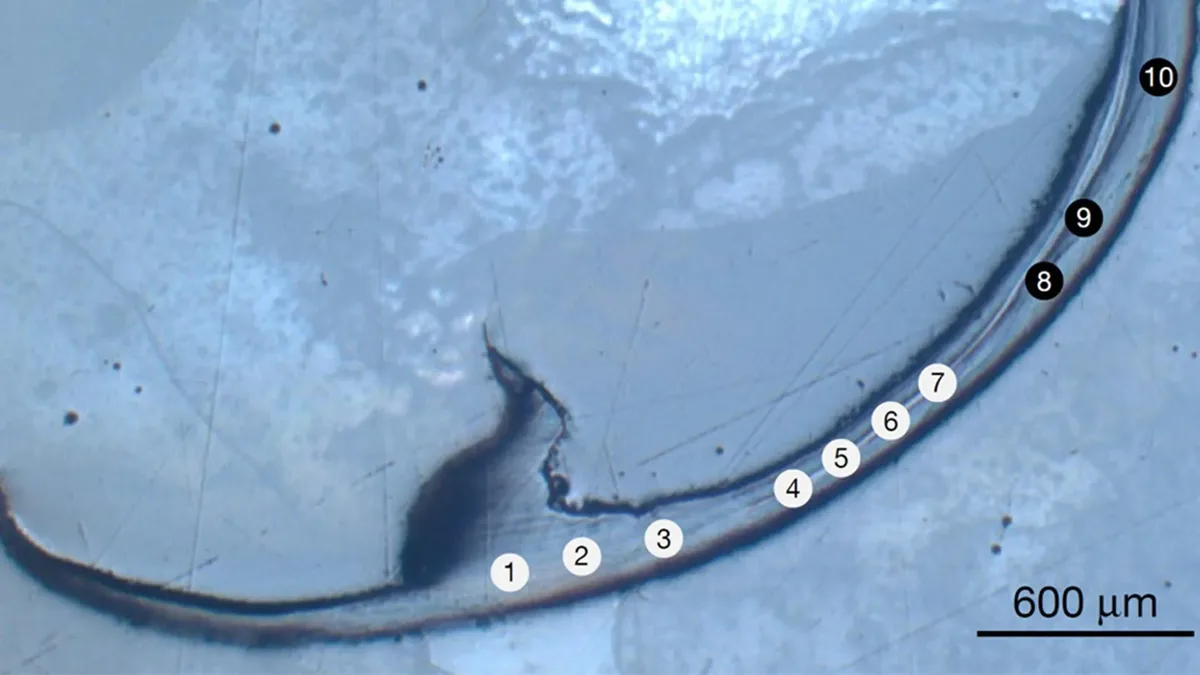
Researchers have discovered that the jaws of an ancient sea worm combine proteins and metal ions to form a unique material with metal-like strength and unusual mechanical properties. The finding suggests a new category of natural materials, termed 'bio-metals,' which could inspire novel synthetic materials. The study highlights nature's sophisticated design strategies.
The Discovery
Scientists studying an ancient sea worm species found that its jaws are composed of a protein matrix reinforced with metal ions, such as zinc and copper. This combination yields a material that rivals the hardness of some metals while remaining lightweight and flexible. The jaws exhibit mechanical behavior distinct from both traditional metals and typical biominerals like bone or shell.
Material Properties
The bio-metal material shows high resistance to wear and fracture, attributed to the cross-linking of proteins with metal ions. Unlike conventional metals, which are ductile, the worm's jaws are brittle under tension but tough under compression. This asymmetry could be exploited for designing new composites with tailored mechanical responses.
Implications for Materials Science
The discovery opens avenues for developing synthetic bio-metals that mimic the worm's jaw structure. Such materials could find applications in lightweight armor, medical implants, or micro-robotics. Researchers emphasize that nature's design principles, honed over millions of years, offer blueprints for materials with unprecedented combinations of properties.
Zombie Worm Feeding Behavior
The zombie worm, also known as Osedax, colonizes whale bones after scavengers remove soft tissue. It secretes acid to bore into bone and uses symbiotic bacteria to digest lipids and proteins. This process can recycle a whale carcass within years.
What's Next
The research team plans to analyze the molecular structure of the jaw proteins to identify the exact binding sites for metal ions. It remains unclear whether synthetic replication can achieve the same mechanical performance at scale.
2 sources
Ancient sea worm jaws reveal new class of bio-metal materials