
Sugar-coated nanoparticle therapy boosts brain cancer survival 50% in mice
This digest was compiled by AI from multiple sources — links to the originals are below.
A new experimental treatment using sugar-coated nanoparticles delivered genetic instructions to restore a tumor-suppressing protein in glioblastoma cells. In mouse studies, the therapy increased median survival by 50% and shrank tumors without damaging other organs. The approach may overcome the blood-brain barrier, a key obstacle in brain cancer treatment.
The Treatment
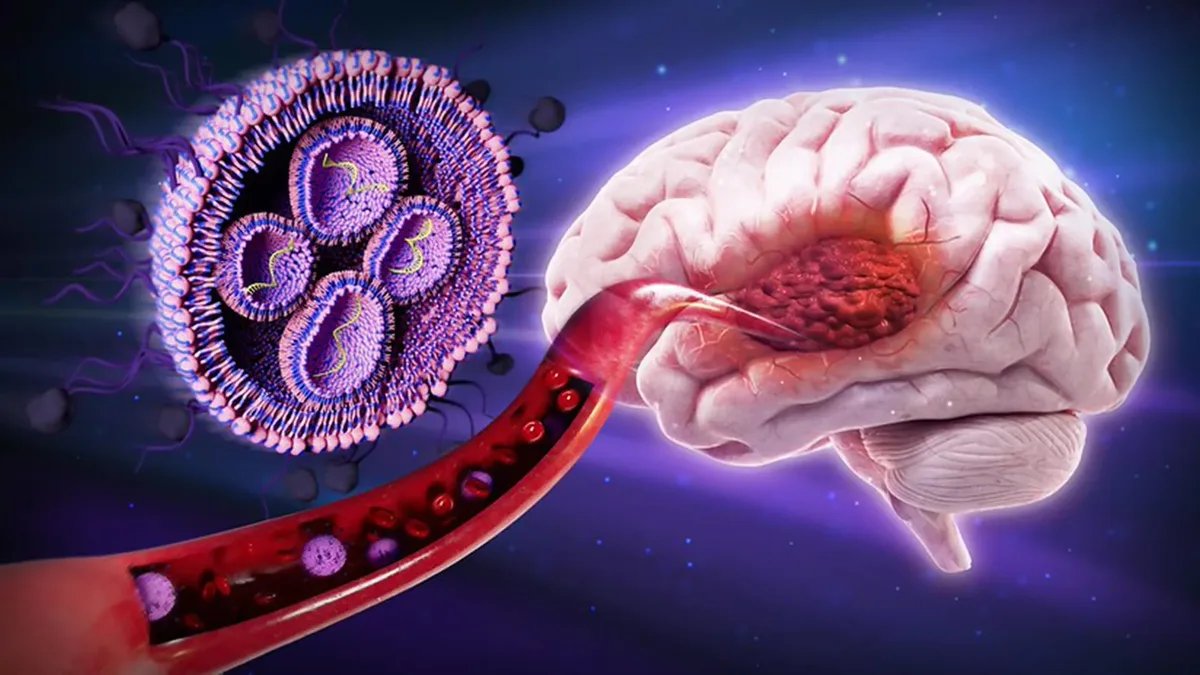
Researchers at the University of Texas MD Anderson Cancer Center developed sugar-coated nanoparticles that carry small interfering RNA (siRNA) to silence the BCL2L12 gene, which is overexpressed in glioblastoma. The nanoparticles cross the blood-brain barrier by targeting glucose transporters on endothelial cells. In mouse models, the therapy restored the tumor-suppressor protein p53, leading to tumor shrinkage and extended survival.
Study Results
Median survival in treated mice increased by 50% compared to controls, with some tumors shrinking by up to 80%. The therapy showed no significant toxicity to healthy brain tissue or other organs, according to the study published in Nature Nanotechnology. The nanoparticles were cleared from the body within 48 hours, reducing long-term side effects.
1 source
Time · lag behind first