
Gene-edited lettuce boosts beneficial compounds, study finds
This digest was compiled by AI from multiple sources — links to the originals are below.
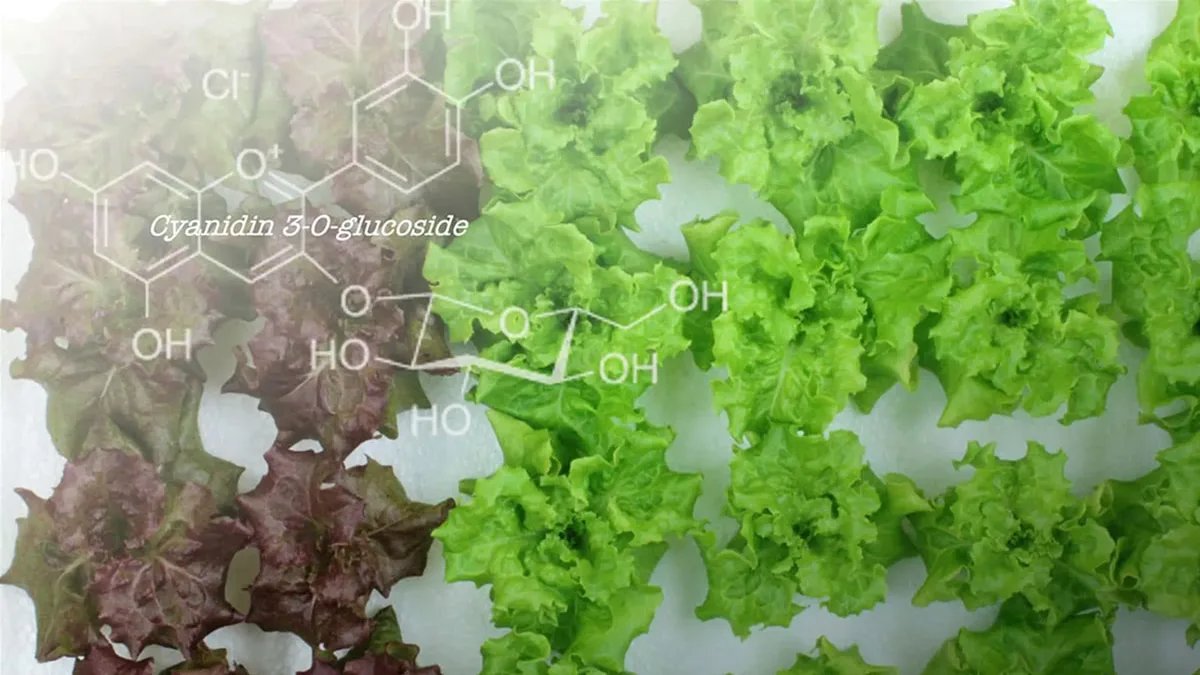
Researchers used genome editing to block red pigment production in lettuce, causing other beneficial plant compounds to accumulate. The modified lettuce grew normally, suggesting a new method for creating crops with tailored nutritional profiles.
The Genetic Modification
Scientists at the John Innes Centre used CRISPR-Cas9 to knock out genes responsible for red pigment (anthocyanin) production in red lettuce. The edited plants instead accumulated higher levels of other flavonoids and phenolic compounds, which have antioxidant properties. The technique did not affect normal growth or yield, according to the study published in Plant Biotechnology Journal.
Nutritional Implications
The modified lettuce showed a 30% increase in total phenolic content compared to wild-type red lettuce. These compounds are linked to reduced risk of chronic diseases such as heart disease and diabetes. The approach could be applied to other crops to enhance their health benefits without relying on traditional breeding.
Beta-Carotene Enrichment
The golden lettuce was engineered to produce elevated levels of beta-carotene, a precursor to vitamin A. This nutrient supports immune function, vision, and growth.
Hebrew University Research
Researchers at the Hebrew University of Jerusalem are developing gene-edited lettuce enriched with vitamins and antioxidants using CRISPR technology. This work aims to combat nutrient deficiencies, expanding the scope of lettuce biofortification beyond the John Innes Centre's focus on phenolic compounds.
3 sources
Time · lag behind first